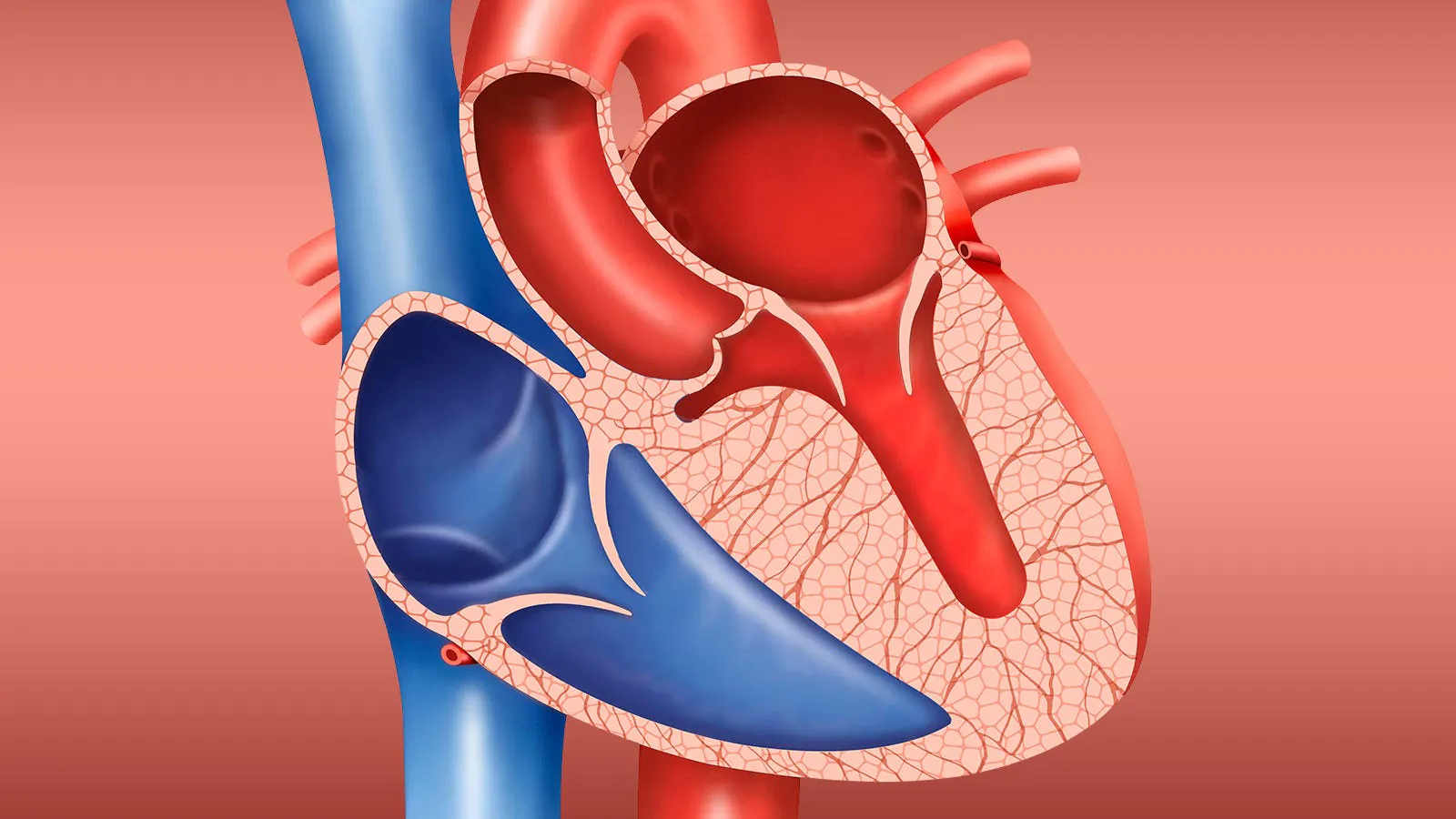
Not all mild hypertrophic cardiomyopathy (HCM) stays mild. A large registry study found that 23% of patients with phenotypically mild HCM developed symptoms and 21% experienced major cardiovascular events over 7 years. Researchers identified key echocardiographic predictors — like left atrial diameter and LV wall thickness trajectory — that could help flag who needs closer monitoring and earlier intervention.
Hypertrophic cardiomyopathy (HCM) doesn't always announce itself loudly — but a new study shows that even "mild" cases can quietly escalate. Researchers analyzed data from over 2,500 patients with phenotypically mild HCM in the international SHaRe registry and found that over a 7-year follow-up, nearly a quarter developed symptoms and about 1 in 5 experienced a major adverse cardiovascular event (MACE), most commonly atrial fibrillation.
The overall MACE incidence was relatively low at 3.4 events per 100 patient-years, but certain patients fared much worse. Those with the largest or steepest increases in left atrial diameter, LV maximal wall thickness, or LV outflow tract gradient were at significantly elevated risk — pointing to the importance of tracking trajectories, not just single-point measurements.
Key Takeaways:
Why it matters: These findings could reshape how clinicians monitor mild HCM and inform who gets prioritized if disease-modifying therapies — including myosin inhibitors, SGLT2 inhibitors, and GLP-1 agonists — are eventually expanded to earlier-stage disease.