Spain's network of high-level isolation units shows what it really takes to contain the world's deadliest pathogens. Triggered by the 2014 Ebola scare, these specialized facilities go far beyond a standard hospital room — featuring negative air pressure, redundant HEPA filters, and rigorous PPE protocols. They can be fully activated within 4–6 hours of a patient alert.
When a nursing assistant in Spain became the first person to contract Ebola outside of Africa in October 2014, it exposed a glaring gap in hospital preparedness. The crisis prompted Spain to build a national network of high-level isolation units (HLIUs) — sophisticated, multidisciplinary facilities designed to treat patients with the world's most dangerous infectious diseases while protecting healthcare workers and the public.
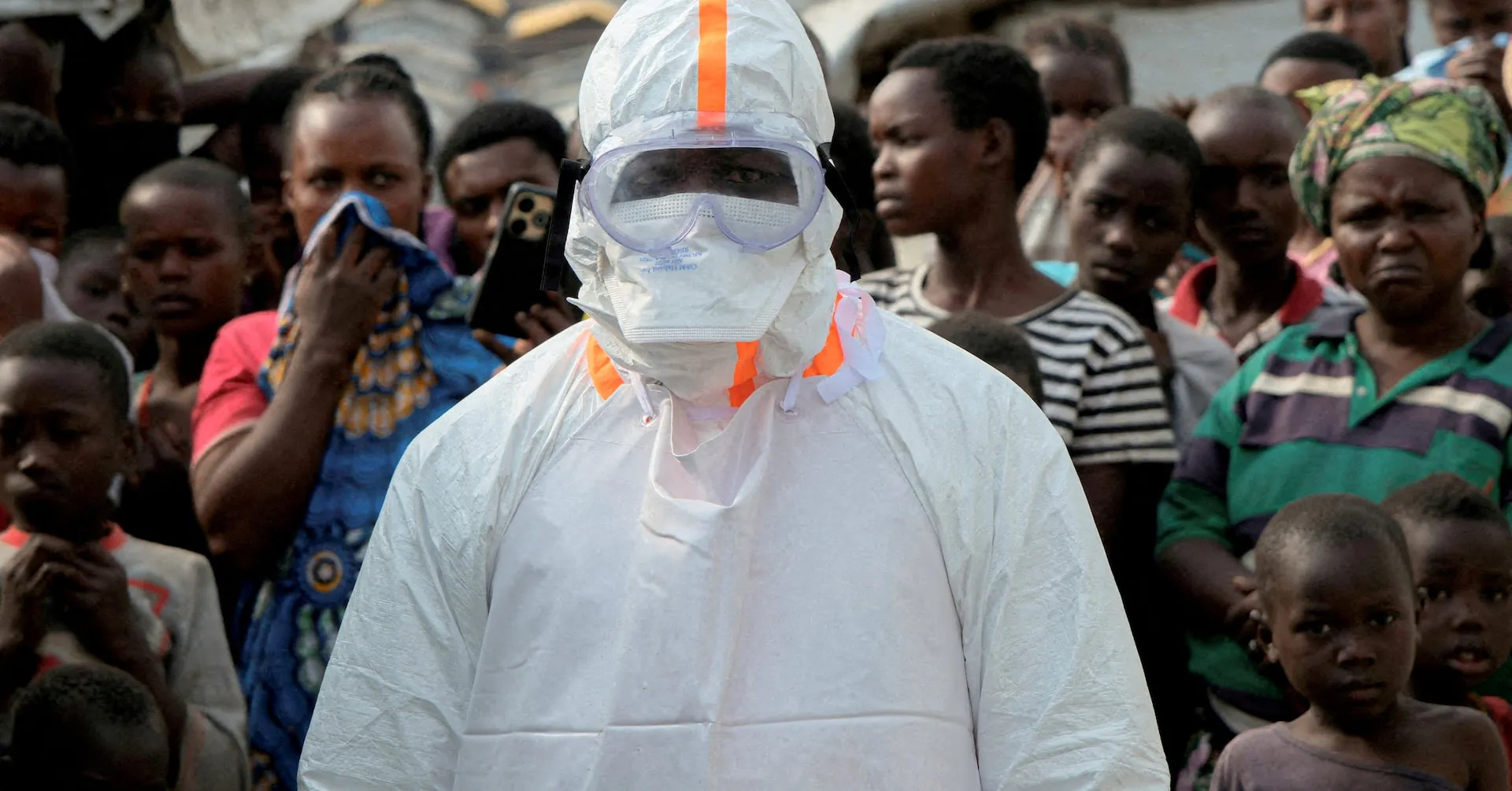
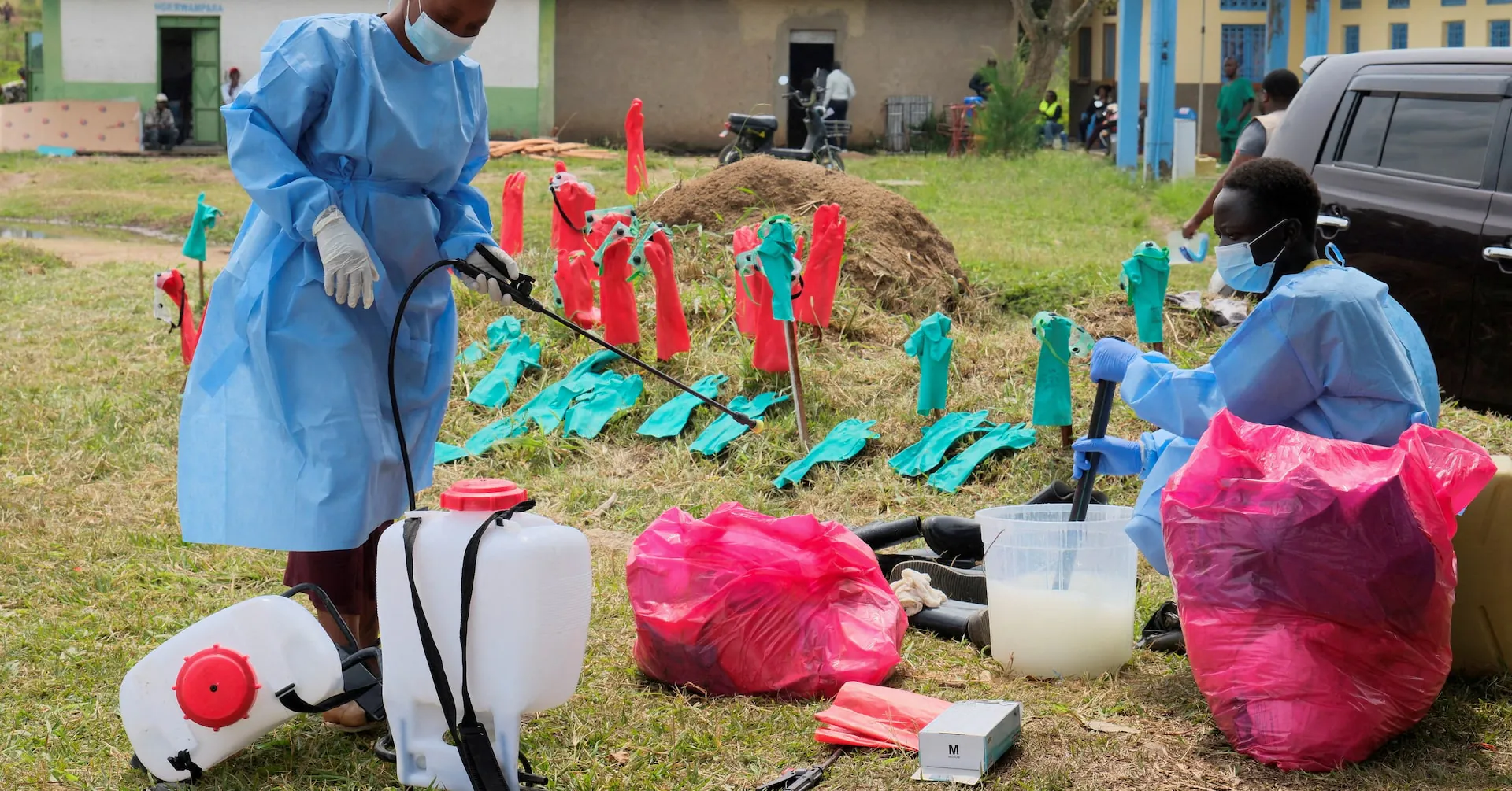
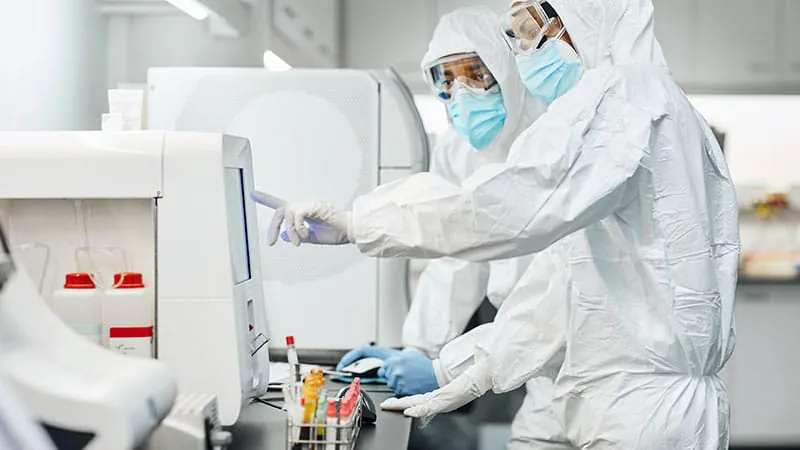
These units are far more than reinforced hospital rooms. They feature negative air pressure rooms, at least 12 air changes per hour, four redundant HEPA filters, hydrogen peroxide fogging for disinfection, and on-site biosafety labs. Healthcare workers follow strict, step-by-step PPE protocols — with doffing (removal) considered the highest-risk moment — and must complete at least three annual PPE drills plus one full-scale activation simulation per year.
Key Takeaways:
Why it matters: As globalization and climate change expand the reach of once-remote pathogens, purpose-built isolation infrastructure isn't just a nice-to-have — it's a critical public health safeguard. Spain's model offers a replicable blueprint for hospitals worldwide.