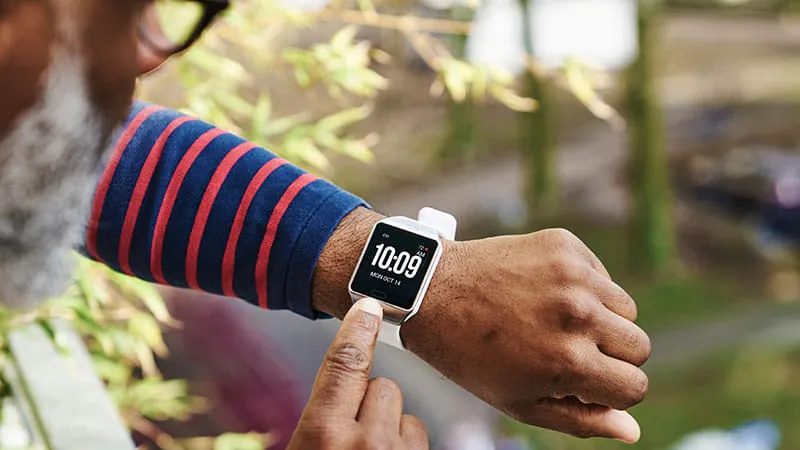
A new AI-powered smartwatch algorithm could give heart failure patients a critical head start. The CardioID system, which tracks continuous heart rate data, outperformed traditional weight-based monitoring in detecting worsening heart failure — flagging danger nearly two weeks earlier. Patients also stuck with it far better, with 100% adherence compared to just 60.6% for daily weigh-ins.
A smartwatch just beat the bathroom scale at predicting heart failure decline.
Researchers tested CardioID, an AI platform paired with a Sony smartwatch, against the standard weight-gain alert system in patients with advanced heart failure (NYHA class III). The algorithm continuously monitored heart rate and flagged significant rises in NT-proBNP — a key biomarker of cardiac stress — within a 35-day window. The results, published in JACC: Heart Failure, were striking: CardioID detected true worsening events far more often and much sooner than weight-based monitoring.
Patient buy-in was also a standout finding. Full adherence to the smartwatch system was 100%, compared to just 60.6% for daily weight monitoring — a gap that could have real-world implications for remote patient management.
By the Numbers:
Why it matters: For patients living with heart failure, earlier warnings mean earlier intervention — potentially preventing hospitalizations. A wearable that patients actually use and that detects deterioration two weeks sooner could be a meaningful step forward in remote cardiac care.