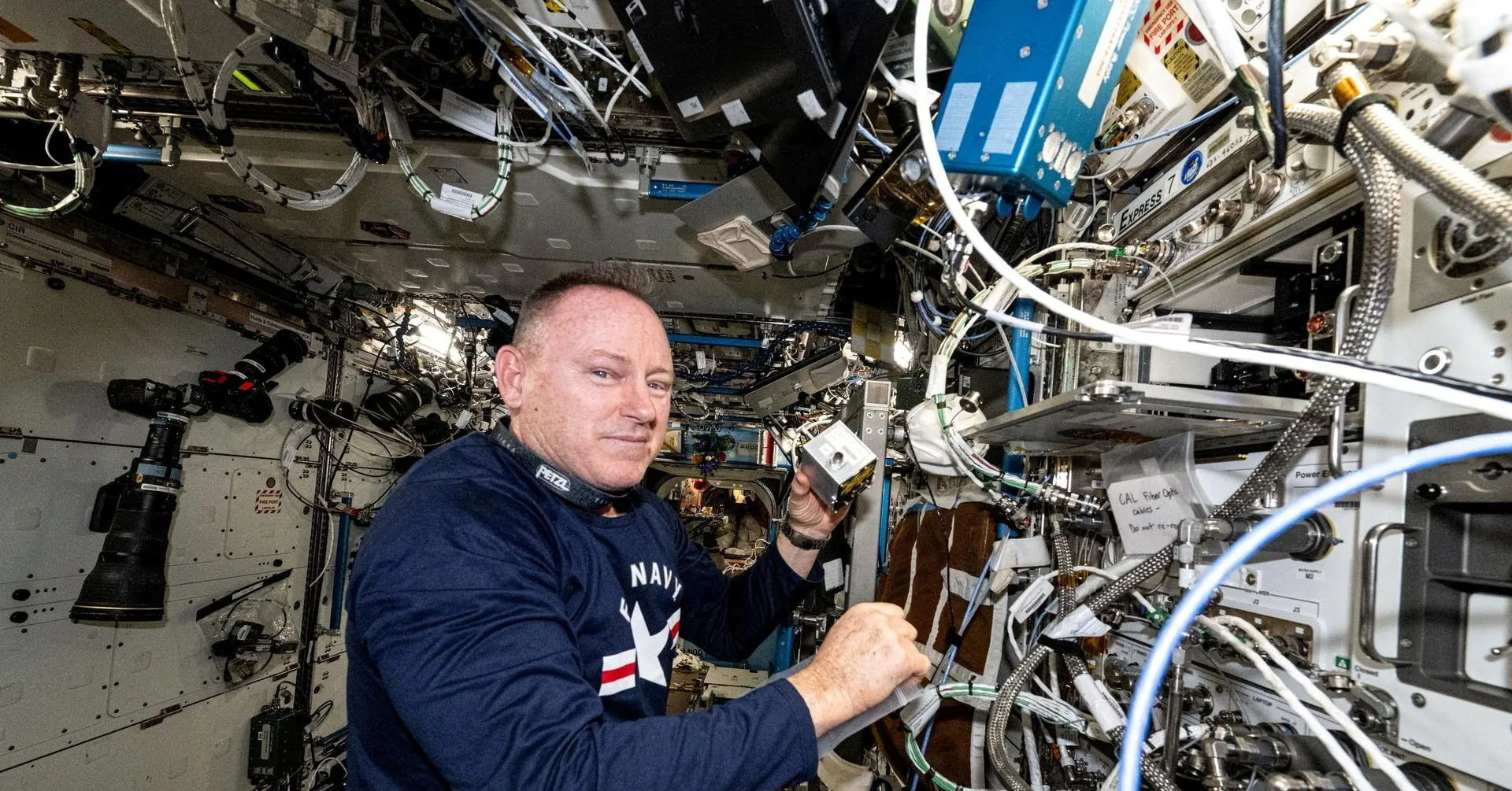
Zero gravity, big science: A San Diego biotech company has successfully 3D-bioprinted human liver, kidney, and cartilage cell structures aboard the International Space Station — a first. Microgravity solves a key Earth-bound problem: keeping cells precisely distributed in 3D structures. Transplantable tissues are still years away, but the groundwork is being laid now.
Zero gravity, big science: Auxilium Biotechnologies has pulled off a space first — 3D bioprinting structures containing human liver, kidney, and cartilage cells aboard the International Space Station (ISS). The San Diego company, working with cell lines from Wake Forest University, says microgravity solves one of tissue engineering's most stubborn problems: getting cells to stay exactly where you put them in a 3D structure.
On Earth, cells tend to sink and cluster unevenly — think blueberries sinking to the bottom of muffin batter. In microgravity, precise, uniform cell distribution becomes achievable, opening the door to more functional tissue constructs. The printed tissues returned to Earth about two weeks ago and are currently being analyzed.
Key Takeaways:
Why it matters: With the ISS nearing retirement and commercial space stations on the horizon, space-based biomanufacturing is becoming a serious frontier. For patients awaiting organ transplants, this research — though years from clinical use — represents a genuinely novel path forward.