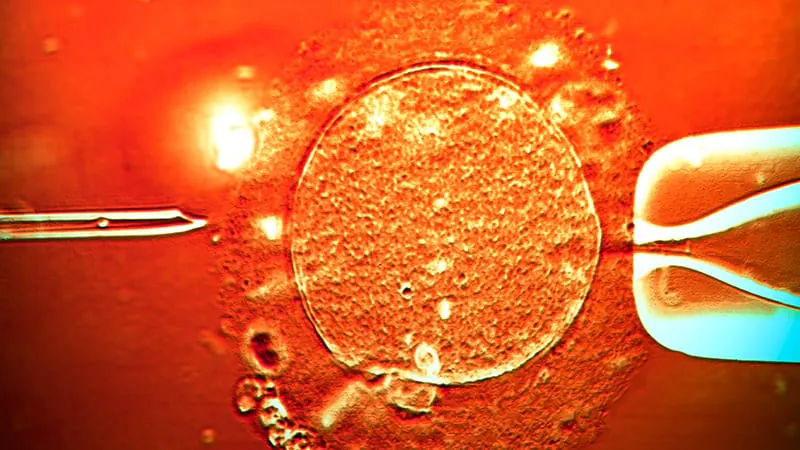
Doctors are sounding the alarm over proposed state legislation in Arkansas, Texas, and Oklahoma that could restrict access to IVF. Writing in the New England Journal of Medicine, physicians warn the bills — modeled on Heritage Foundation legislation — could lay the groundwork for "personhood" laws that grant legal rights to embryos. Critics say the measures go beyond federal requirements and could make IVF politically vulnerable.
Physicians are pushing back against proposed state legislation in Arkansas, Texas, and Oklahoma that they say could significantly restrict access to in vitro fertilization (IVF). In a piece published in the New England Journal of Medicine, fertility specialists warn that these bills — drafted from model legislation by the Heritage Foundation — impose new reporting requirements on assisted reproductive technology providers that exceed federal standards and fail to reflect the biological realities of IVF.
Among the most contentious provisions: Arkansas' proposal would define "life" as beginning at fertilization, require clinics to disclose patients' reasons for discarding embryos, and redefine infertility as a "symptom" rather than a disease — contradicting established medical consensus. Doctors warn this could pave the way for "personhood" legislation that grants legal protections to IVF embryos, potentially exposing clinics to liability.
Key Takeaways:
Why it matters: With an overwhelming majority of Americans supporting access to fertility care, these legislative moves could restrict a widely used medical service and insert politics into deeply personal reproductive decisions.