A little education goes a long way for kidney patients. A Polish study found that after structured predialysis education sessions, nearly 63% of CKD stage 4–5 patients chose peritoneal dialysis over haemodialysis — and more than half actually started the home-based treatment. Older age, diabetes, high BMI, and prior abdominal surgery were the key factors that made patients less likely to choose PD.
When patients with advanced chronic kidney disease (CKD) were given structured, hands-on education about their dialysis options, the majority chose peritoneal dialysis (PD) — a home-based alternative to the more commonly used in-centre haemodialysis (HD). A retrospective study out of Warsaw, Poland, found that 62.7% of CKD stage 4–5 patients opted for PD after attending educational sessions, and 52% of all patients ultimately started the treatment.
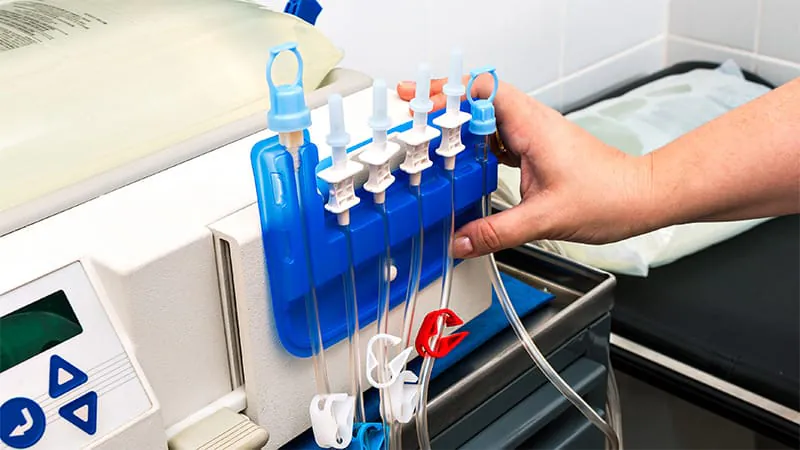
The education programme, delivered by a team of nurses and physicians, covered the practical and theoretical aspects of PD, HD, and kidney transplantation — complete with visual aids, brochures, and hands-on equipment demos. Sessions ran 1.5–2 hours, and most patients (91.5%) reported having suitable home conditions for PD.
Key Takeaways:
Why it matters: Haemodialysis requires frequent clinic visits, while peritoneal dialysis can be done at home — offering patients more flexibility and independence. This study suggests that educating patients about their options could meaningfully shift treatment choices toward home-based care, with real implications for patient quality of life and healthcare resource use.