AstraZeneca's drug Wainua, developed with Ionis Pharmaceuticals, failed to meet its primary goal in a late-stage trial for transthyretin-mediated amyloid cardiomyopathy (ATTR-CM). The trial's design — where a majority of patients were already on a stabilizer therapy — drew sharp criticism from analysts. AstraZeneca shares dropped nearly 10%, wiping out what analysts had projected as a $2 billion peak-sales opportunity.
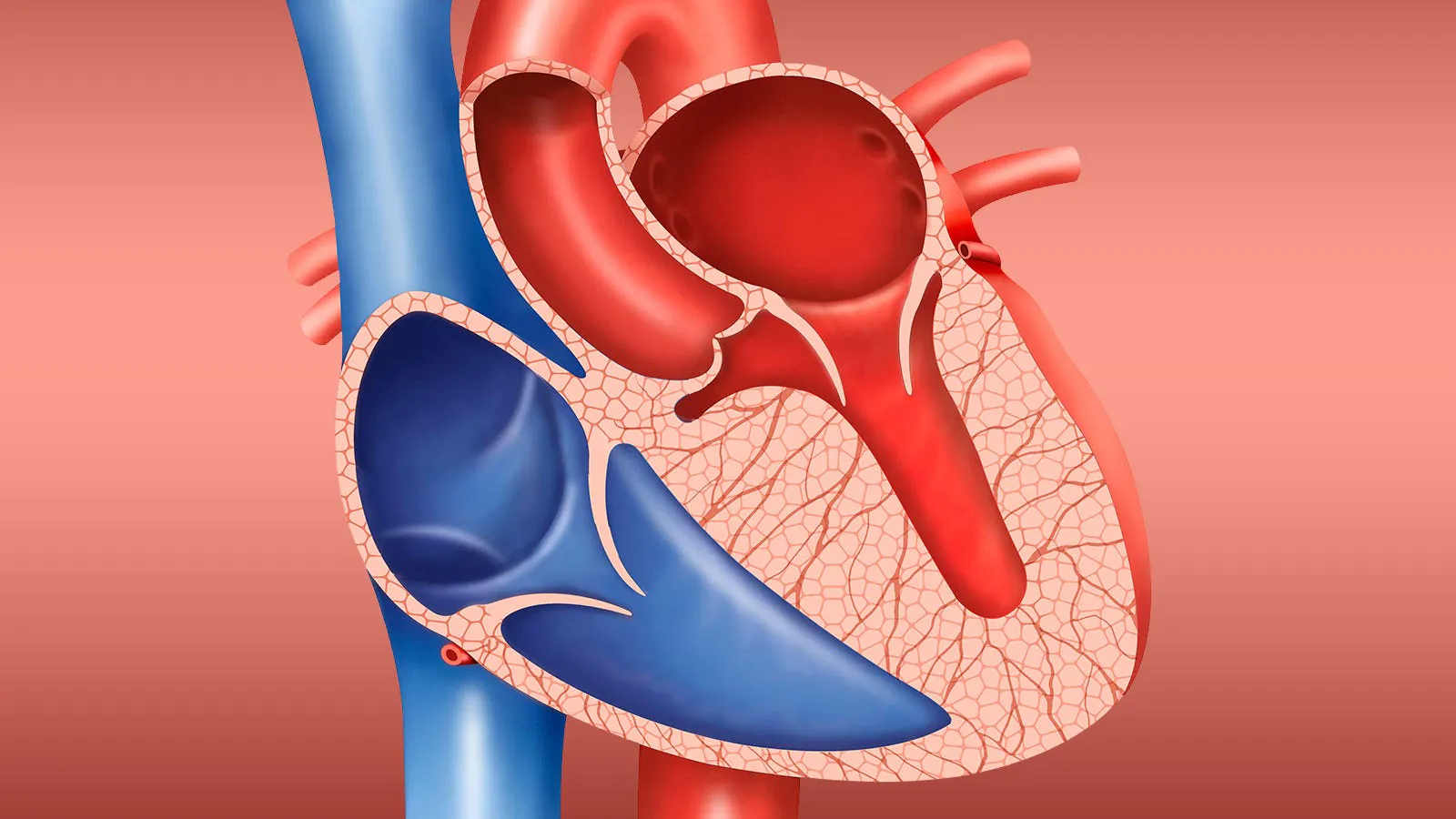
AstraZeneca's Wainua, co-developed with Ionis Pharmaceuticals, failed to meet its primary endpoint in a pivotal late-stage trial for transthyretin-mediated amyloid cardiomyopathy (ATTR-CM) — a rare condition where protein buildup in the heart disrupts blood pumping and can lead to heart failure. The drug did not significantly reduce cardiovascular deaths or recurring heart problems when added to standard care, though a subgroup taking it as a standalone therapy showed "nominally significant" benefit.
The trial's design came under fire: 57% of patients were already on a stabilizer therapy, and an additional 24% were allowed to add one mid-study, making it nearly impossible to isolate Wainua's effect. Analysts at Jefferies called out the flaw as a credibility hit for AstraZeneca's R&D leadership, which had expressed strong confidence in the trial. Barclays analysts don't expect the company to fund a new monotherapy trial, given how far behind it would be relative to Alnylam's already-established rival drug.
By the Numbers:
Why it matters: This setback not only dims Wainua's commercial prospects but also raises broader questions about AstraZeneca's trial design capabilities — a concern that compounds a recent U.S. regulatory rejection of its breast cancer drug. For the ATTR-CM space, it reinforces the dominance of existing therapies and leaves a significant unmet need partially unaddressed.