Pernicious anemia was once nearly always fatal — now it's a manageable chronic disease. The journey from raw beef liver to vitamin B12 injections spans two centuries and two Nobel Prizes. But the real challenge today isn't treatment — it's catching the diagnosis before irreversible neurological damage sets in.
Pernicious anemia was once a slow, mysterious death sentence. Patients grew pale and exhausted, lost their balance, became confused — and most died within 1–3 years. The disease, first described in the early 1800s, stumped physicians for decades because its root cause — an autoimmune attack on the stomach's parietal cells — wasn't understood until the 1960s.
The turning point came in 1926, when hematologists George Minot and William Murphy discovered that feeding patients half a pound of raw beef liver daily reversed the disease. The treatment was crude but lifesaving, earning Minot, Murphy, and researcher George Whipple the 1934 Nobel Prize in Medicine. By 1948, scientists had isolated the active ingredient: vitamin B12 (cobalamin). Dorothy Hodgkin later mapped its molecular structure, earning her the 1964 Nobel Prize in Chemistry.
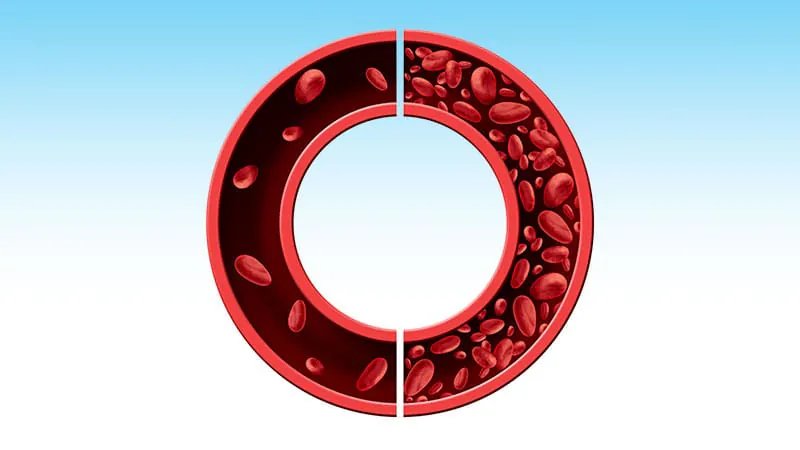
Today, pernicious anemia is understood as an autoimmune condition in which the body destroys intrinsic factor — a protein needed to absorb B12 in the gut — leading to deficiency and, if untreated, irreversible neurological damage.
Key Takeaways:
Why it matters: Pernicious anemia remains underdiagnosed, especially in older patients where neurological symptoms may be mistaken for dementia or normal aging. Early, accurate diagnosis is critical — because once neurological damage sets in, it may not be reversible.