Deep learning matches the pros, beats the rookies. A meta-analysis of 14 studies found that AI-powered endoscopy algorithms outperformed junior endoscopists in detecting early esophageal squamous cell carcinoma and performed on par with senior specialists. Even better — when used as an assist tool, AI boosted detection accuracy for endoscopists at all experience levels.
Deep learning gives endoscopists a powerful diagnostic edge
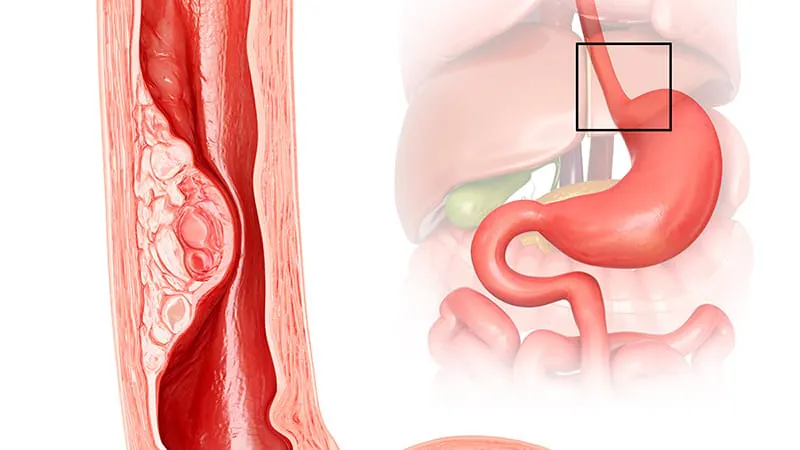
A new meta-analysis published in the American Journal of Gastroenterology found that AI-based deep learning (DL) algorithms significantly outperform junior endoscopists in detecting early esophageal squamous cell carcinoma (ESCC) — and hold their own against seasoned veterans. Across 14 studies, DL algorithms consistently demonstrated higher sensitivity, specificity, and overall diagnostic accuracy compared to endoscopists as a group.
The real win? AI as a co-pilot. When junior endoscopists used DL assistance, their diagnostic accuracy jumped substantially. Senior endoscopists also saw improvements, though more modest — suggesting AI adds value across the experience spectrum.
By the Numbers
Why it matters: Early detection of esophageal cancer dramatically improves survival outcomes. As AI tools become more integrated into clinical practice, they could help bridge the gap between less experienced and expert endoscopists — potentially saving lives in settings where senior specialists aren't always available.