A major clinical trial shows that transcatheter aortic valve replacement (TAVR) is just as durable as open-heart surgery after 7 years in low-risk patients with severe aortic stenosis. The PARTNER 3 trial found comparable rates of valve deterioration and reintervention between the two approaches. Experts call the findings reassuring but stress that longer follow-up — especially 10-year data — is still needed before drawing firm conclusions for younger patients.
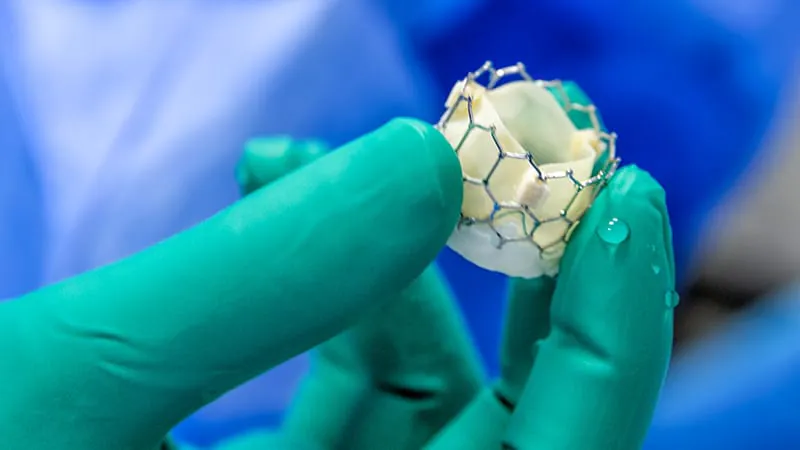
A new ad hoc analysis of the landmark PARTNER 3 trial, published in JAMA Cardiology, finds that TAVR with the Edwards Sapien 3 valve matches surgical aortic valve replacement (SAVR) in long-term durability at 7 years among low-risk patients with symptomatic severe aortic stenosis. Rates of structural valve deterioration (7.3% TAVR vs. 7.6% SAVR) and bioprosthetic valve failure (6.9% vs. 7.5%) were nearly identical between the two groups, and reintervention rates were similarly low (6.0% vs. 5.5%).
One notable difference: TAVR patients had significantly more thrombosis-related valve dysfunction (5.2% vs. 0.9%), though most cases were subclinical, resolved on their own or with treatment, and rarely progressed to failure. Researchers also flagged small aortic annulus size as a risk factor for valve deterioration regardless of procedure type.
Key Takeaways:
Why it matters: As TAVR expands to younger, lower-risk patients, durability data become increasingly critical. These 7-year results offer the strongest randomized evidence yet that TAVR is a viable long-term option — but the field is watching closely for 10-year results before fully rewriting the playbook.