Semaglutide's rise as a weight loss drug has triggered a dramatic spike in poison control calls, mostly from accidental dosing errors. Researchers found patients were injecting the weekly medication daily and skipping the gradual dose ramp-up. Better education at the prescriber and pharmacy level could prevent most of these incidents.
When the FDA approved semaglutide (Ozempic, Wegovy) for weight management in 2021, demand exploded — and so did calls to poison control centers. Researchers at UT San Antonio analyzed national poison control data and found a clear inflection point: before mid-2021, GLP-1 receptor agonist-related cases numbered 1,000–1,500 per year. By 2023, that figure had surpassed 8,000, with semaglutide standing out far above all other drugs in the category.
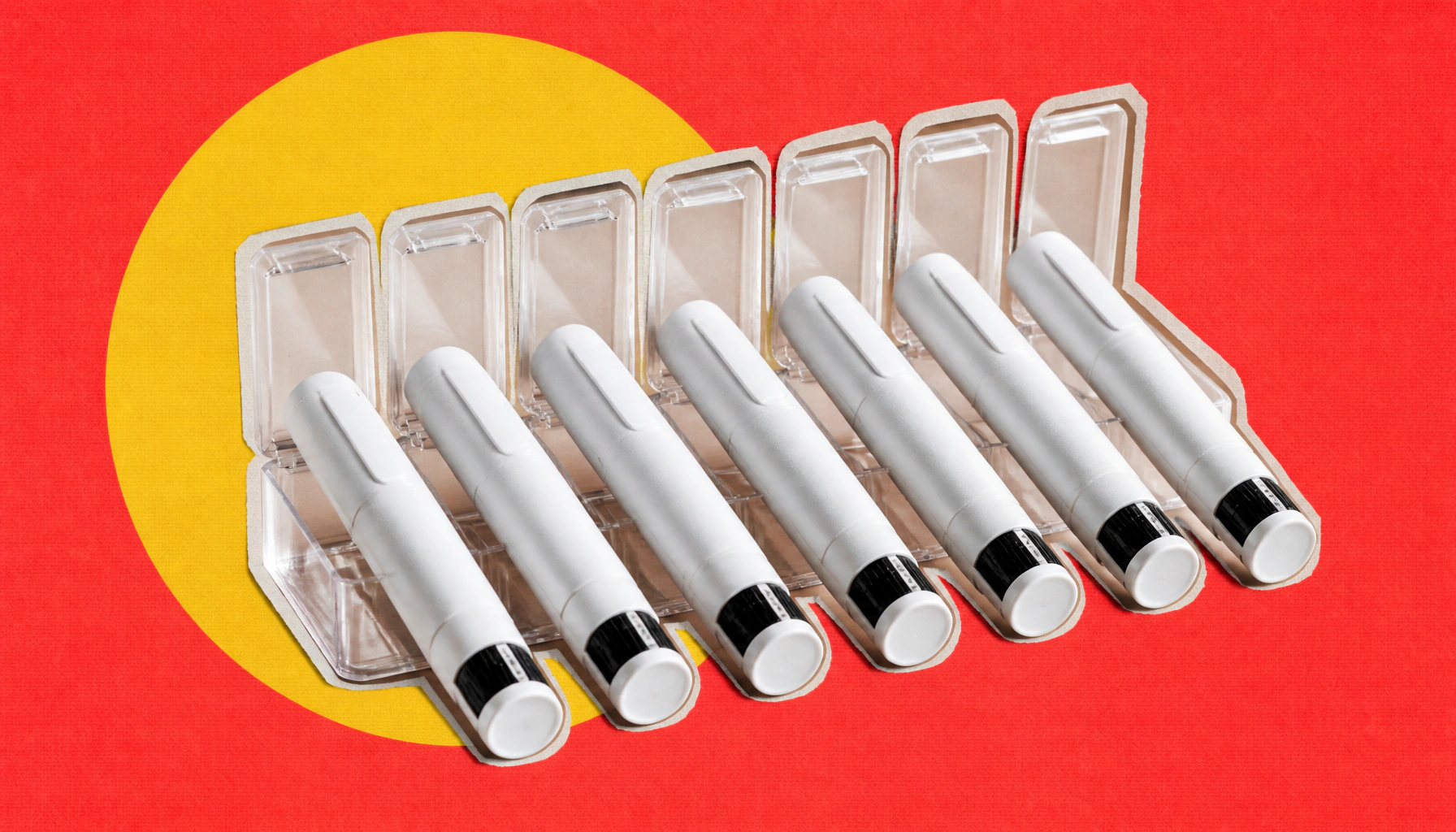
The good news? Most of these incidents weren't intentional misuse — they were avoidable mistakes. The two most common errors: taking the weekly injection daily, and jumping straight to the highest dose instead of gradually titrating up as prescribed. Researchers say better patient counseling at every touchpoint — from the doctor's office to the pharmacy counter — could prevent the majority of these cases.
By the Numbers:
Why it matters: As GLP-1 drugs reach a far broader population than the original diabetes patient base, the safety risks scale up too. This research is a reminder that blockbuster drug approvals need to be matched with robust patient education — not just prescriptions.