
Over 40% of ovarian cancer diagnoses in England came only after an emergency hospital admission — and those cases were three times more likely to be advanced-stage. Women with severe frailty, those at age extremes, and those in socioeconomically deprived areas faced the highest risk of this delayed diagnosis pathway. Experts say greater awareness among GPs and more efficient diagnostic pathways are urgently needed.
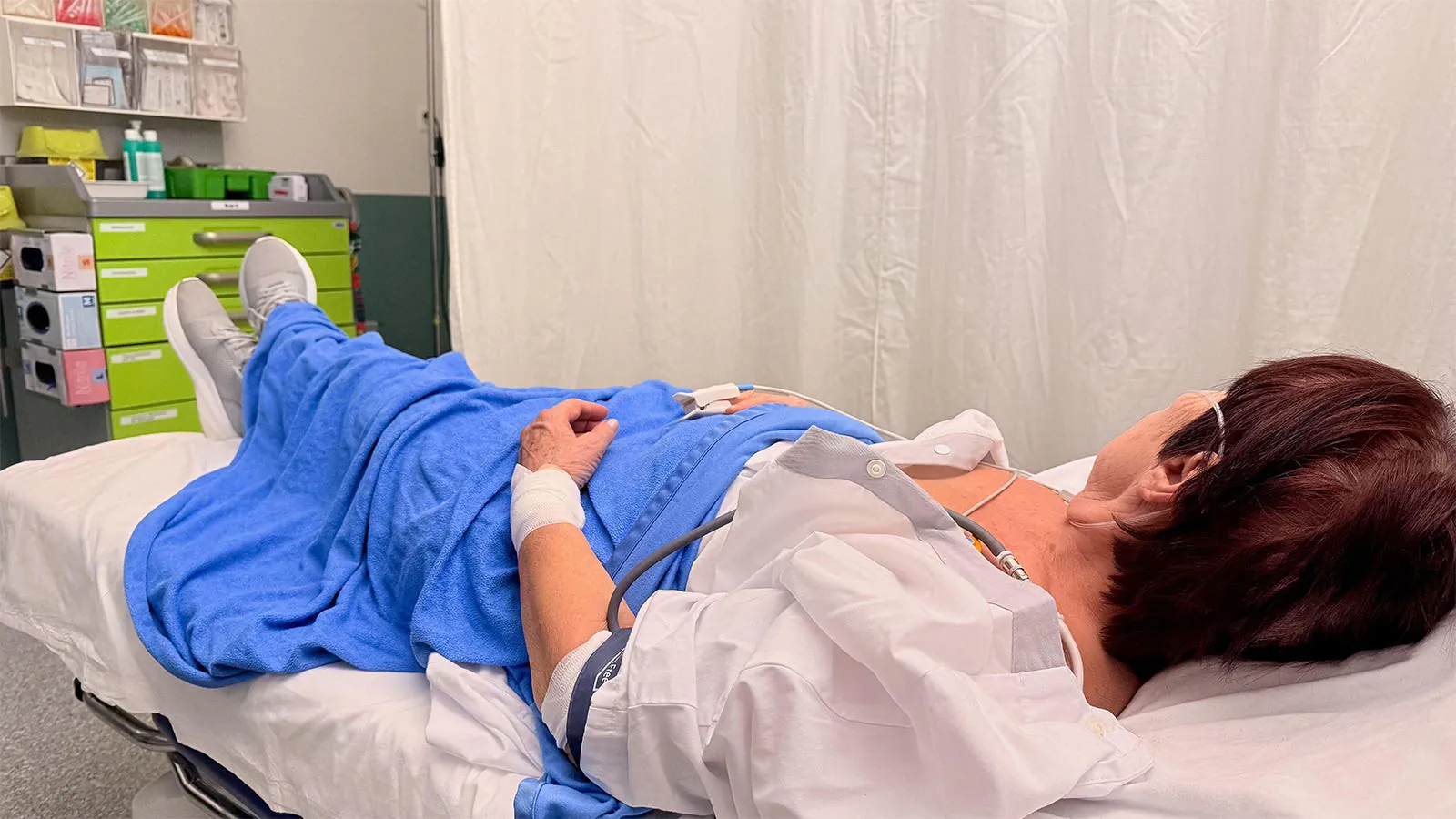
A large national study from England has found that more than 40% of ovarian cancer diagnoses occur only after an emergency hospital admission — a pattern linked to significantly worse outcomes. Analyzing NHS data from 2017–2021, researchers identified 11,377 of 28,204 women whose ovarian cancer was diagnosed within 28 days of an unplanned hospital stay. Those diagnosed this way were over three times more likely to have advanced-stage disease compared to women diagnosed through other routes.
The problem isn't unique to England. Rates of emergency-route ovarian cancer diagnosis range from roughly 20% to 50% across the US, Australia, Canada, Denmark, Norway, and New Zealand — and experts warn the issue is likely even worse in lower-income nations. A companion systematic review published in the International Journal of Gynecological Cancer confirmed the link between emergency-route diagnosis and advanced-stage disease, older age, and social deprivation.
Key Takeaways:
Why it matters: Ovarian cancer's vague, overlapping symptoms make early detection notoriously difficult — but catching it only in the ER is a recipe for poor outcomes. Clinicians across primary care, gynecology, geriatrics, and gastroenterology all have a role to play in recognizing warning signs earlier and streamlining referral pathways.


