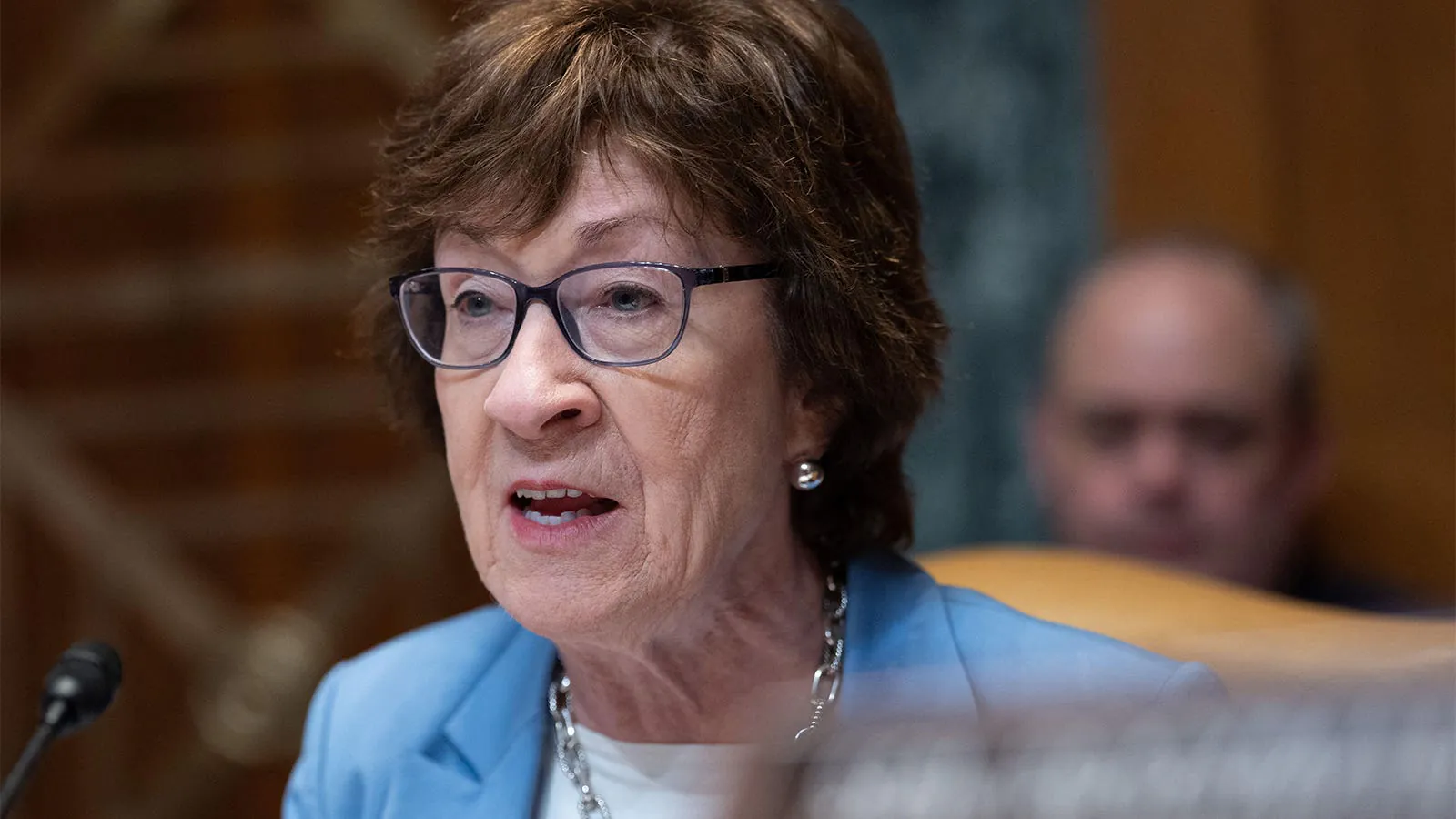
A proposed White House budget rule that would dramatically reshape how federal grants are managed is drawing fire from both sides of the aisle. Republican Sen. Susan Collins warned it could harm patients, disrupt clinical trials, and politicize biomedical research funding. Senate Democrats went further, calling the proposal unlawful and demanding it be immediately rescinded.
A proposed rule from the Office of Management and Budget (OMB) that would overhaul federal grantmaking is facing rare bipartisan pushback. Sen. Susan Collins (R-Maine), chair of the Senate Appropriations Committee, sent a July 6 letter urging OMB Director Russell Vought to withdraw key portions of the rule and extend the public comment period by at least 90 days — well beyond the current July 13 deadline.
Collins argued the rule would allow agencies to terminate grants at will, with limited opportunity for appeal, creating dangerous uncertainty for multi-year research projects. She warned that abrupt termination of clinical trials could leave patients without treatment and result in major scientific and financial losses. She also flagged a new requirement for a senior political appointee to review grants for alignment with the president's policy priorities — even after peer-reviewed merit review — as a threat to science-based funding.
Senate Democrats, led by Minority Leader Chuck Schumer, called the proposal an unlawful "power grab" and demanded it be immediately rescinded. The American Association for Cancer Research also condemned the rule, warning it would undermine decades of federally supported medical innovation.
Key Takeaways:
Why it matters: Federal grants are the backbone of U.S. biomedical research. If finalized, this rule could inject political influence into science funding decisions, disrupt ongoing clinical trials, and deter researchers from pursuing long-term federal grants — with real consequences for patients and medical progress.