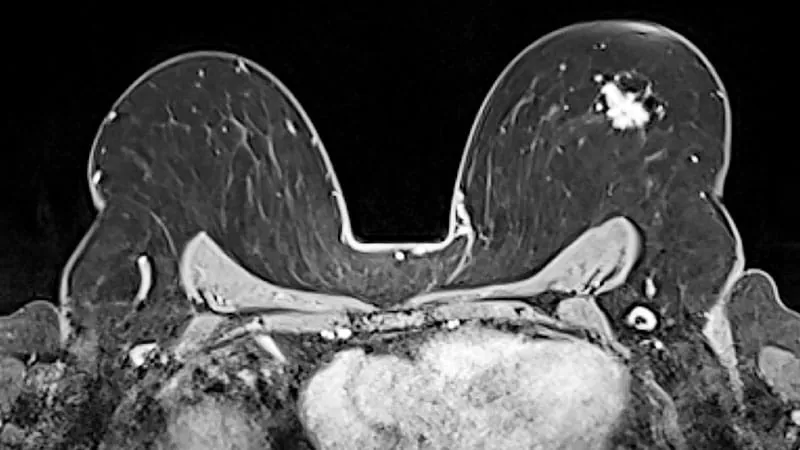
Rethinking resistance to antibody-drug conjugates in breast cancer. A new expert review argues that resistance to ADCs isn't a binary on/off switch — it's a dynamic, evolving process shaped by tumor biology, treatment history, and the tumor microenvironment. The findings push clinicians to think beyond single-line decisions and plan sequential ADC strategies more deliberately, especially as these drugs move into earlier stages of treatment.
Antibody-drug conjugates (ADCs) have transformed breast cancer treatment, but resistance remains a major hurdle — and it's far more nuanced than previously appreciated. A new expert review published in ASCO Daily News argues that ADC resistance should be viewed as a continuum of adaptive changes rather than a binary outcome, driven by multiple overlapping mechanisms including antigen downregulation, survival pathway rewiring, and cross-resistance between agents sharing similar payload classes.
As ADCs like trastuzumab deruxtecan (T-DXd) move into neoadjuvant and adjuvant settings — backed by landmark trials like DESTINY-Breast11 and DESTINY-Breast05 — clinicians face new questions: Does earlier ADC use improve survival without closing off future treatment options? The authors caution that early exposure may increase cross-resistance risk, making long-term treatment planning essential from the start.
Key Takeaways:
Why it matters: With patients increasingly exposed to multiple ADCs over their treatment course, oncologists need a smarter, mechanism-informed approach to sequencing — not just empirical switching. Getting this right could mean the difference between durable disease control and premature resistance.