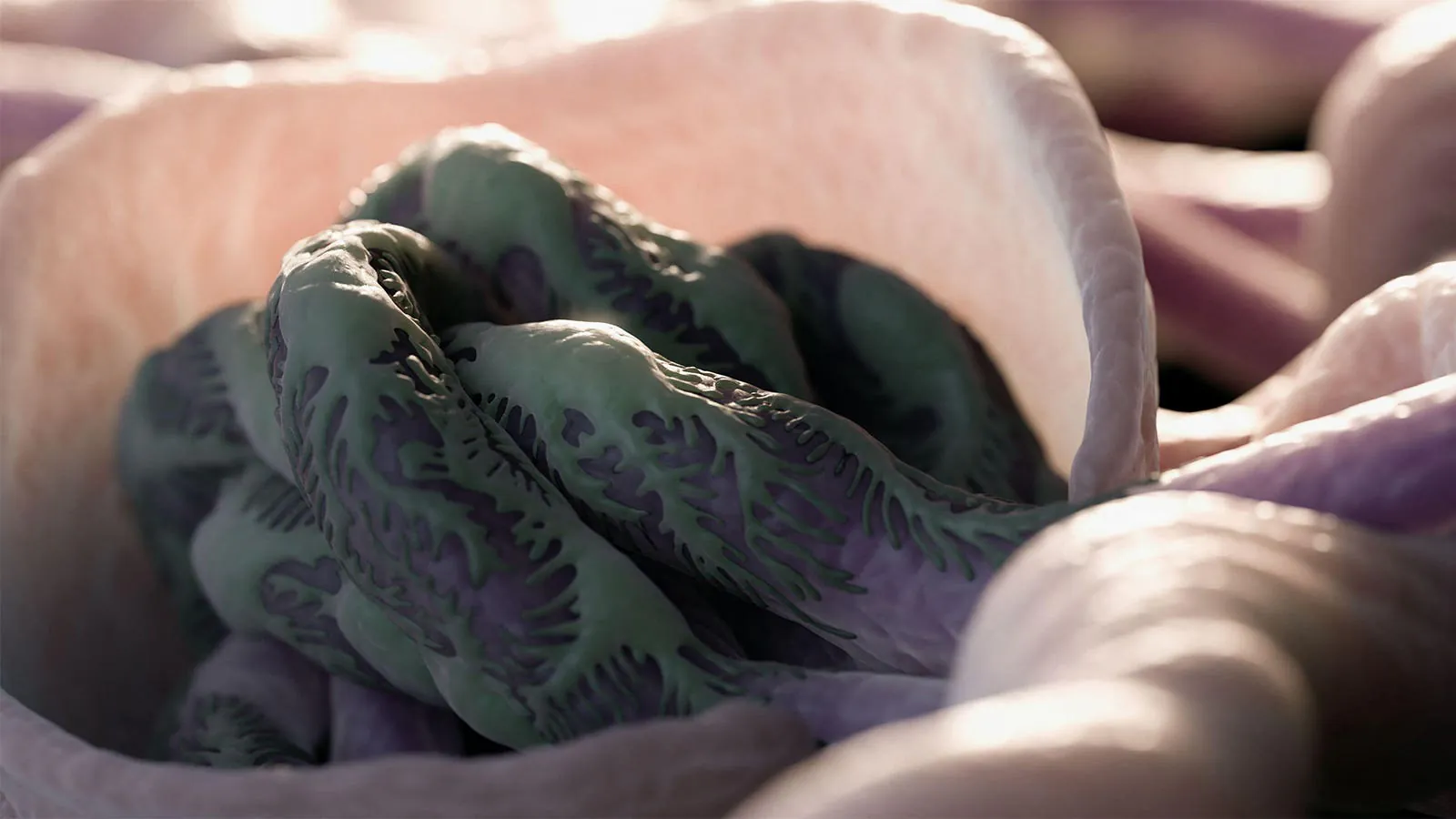
The treatment landscape for focal segmental glomerulosclerosis (FSGS) is evolving fast. From the newly approved sparsentan to investigational drugs targeting APOL1 and CCR2 pathways, nephrologists have more tools than ever to slow disease progression. Dietary tweaks — like cutting salt and protein — round out a more personalized approach to managing this tough-to-treat condition.
Focal segmental glomerulosclerosis (FSGS) — a rare kidney disease that scars the glomeruli and often leads to kidney failure — has long been a frustrating diagnosis with limited treatment options. But that's changing. Nephrologists now have a growing toolkit, from established immunosuppressants and RAAS blockers to the newly approved sparsentan (Filspari), a dual-action drug targeting both endothelin A and angiotensin II receptors that reduces proteinuria in patients without nephrotic syndrome.
The pipeline looks even more promising. Investigational agents like inaxaplin (targeting APOL1-mediated kidney disease) and DMX-200 (a CCR2 receptor blocker) are showing early positive results in clinical trials, with experts describing this moment as a "renaissance period" for nephrology.
Key Takeaways:
Why it matters: FSGS affects over 40,000 Americans and frequently progresses to end-stage renal disease. With new targeted therapies on the horizon and clearer dietary guidance, clinicians are closer to offering truly personalized care that can meaningfully alter disease course.