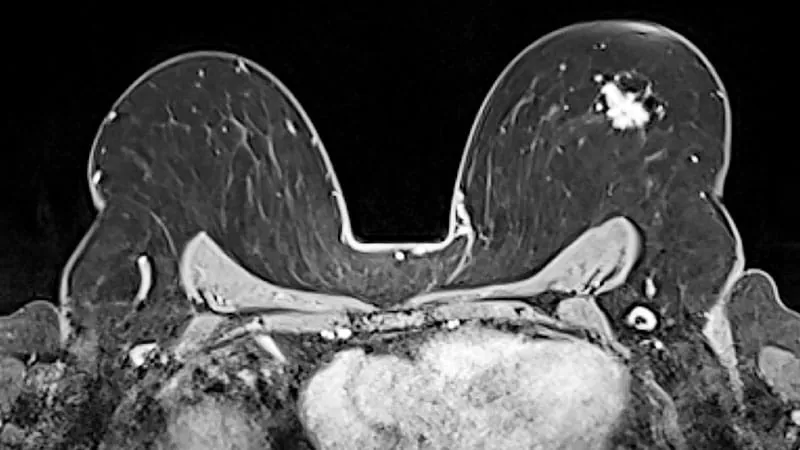
Toronto researchers have identified 81 previously unknown genes driving triple-negative breast cancer (TNBC) using a novel CRISPR tool called CRISPR-KOALA. Published in Nature, the study is the first to map the full genetic landscape of this aggressive cancer in a living system. One gene, PLGRKT, emerged as a standout therapeutic target, offering new hope for a cancer with very few precision treatment options.
Triple-negative breast cancer (TNBC) — also called basal-like breast cancer — is one of the hardest cancers to treat, partly because its tumors lack the receptors that doctors use to target other breast cancers. Now, a Toronto research team has made a major breakthrough: using a newly developed CRISPR-based tool, they've identified 81 previously unknown genes that drive the disease, opening the door to targeted therapies where few exist today.
The team, led by Dr. Daniel Schramek and Dr. Khalid Al-Zahrani at the Lunenfeld-Tanenbaum Research Institute, developed CRISPR-KOALA — a tool that can both silence and activate genes simultaneously within a living mouse model. This allowed them to screen over 3,700 genes found on chromosomes commonly altered in TNBC, something that standard cell culture experiments had repeatedly failed to do. Strikingly, 90% of the newly identified driver genes were completely missed by traditional lab methods.
Key Takeaways:
Why it matters: TNBC disproportionately affects younger women of color and carries some of the worst survival outcomes in breast cancer. This discovery doesn't just expand our understanding of the disease — it hands researchers a map of new targets to pursue for precision therapies.