Harvard researchers have turned a silicon chip into a DNA-writing machine, synthesizing 64 unique DNA sequences simultaneously using electricity and water-based enzymes. This cleaner, enzymatic approach sidesteps the hazardous solvents used in conventional DNA manufacturing. The breakthrough opens doors for portable DNA synthesis tools and even large-scale DNA-based data storage.
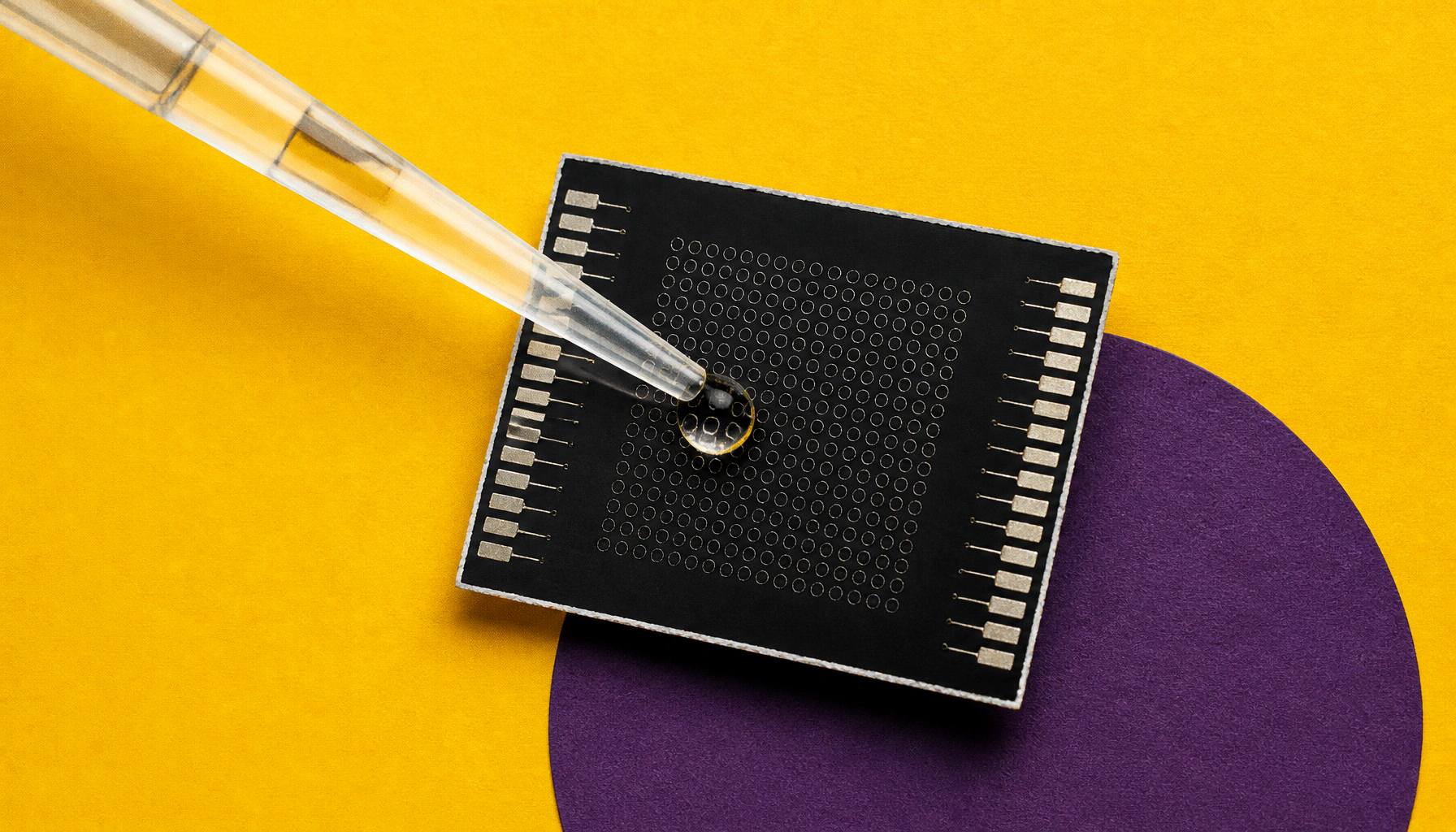
Harvard engineers have pulled off a biotech first: a silicon chip that writes DNA. Published in Nature Electronics, the study describes a chip capable of synthesizing 64 different DNA sequences in parallel using tiny electrical currents and water-based enzymes — no toxic organic solvents required. Each of the chip's 64 synthesis sites uses concentric ring electrodes to precisely lower the local pH, triggering DNA strand growth one nucleotide at a time while keeping reactions neatly contained.
The technology was originally developed for neuroscience — the chip was designed to record electrical activity in neurons. The team realized the same precision current control could be repurposed to manage the chemical conditions needed for DNA synthesis, leading to this unexpected but significant pivot.
By the Numbers:
Why it matters: Most synthetic DNA today is made using a chemical process that requires hazardous solvents and centralized facilities. A water-based, chip-driven alternative could make DNA synthesis safer, more portable, and far more scalable — with major implications for diagnostics, genome engineering, cancer research, and eventually DNA-based data storage.