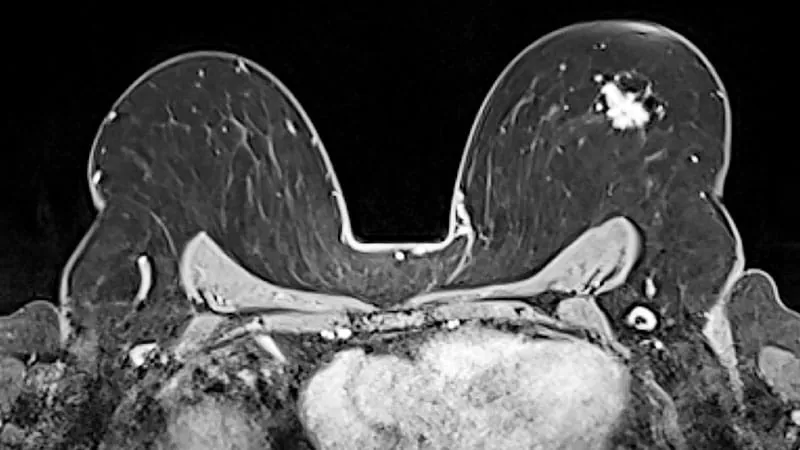
One of the largest studies of young Black women with invasive breast cancer found that 15.3% carried hereditary gene variants — mostly in BRCA1 or BRCA2 — yet this group remains significantly undertested. The findings show their hereditary cancer risk profile is comparable to White women, making the testing gap even more striking. Researchers are calling for more aggressive genetic screening across all populations.
A major new study published in Cancer examined hereditary breast cancer (HBC) in young Black women — and the findings are a clear call to action. Of 686 participants who underwent germline genetic testing, 15.3% carried a pathogenic or likely pathogenic variant, primarily in BRCA1 or BRCA2. Crucially, the demographic and clinical cancer characteristics in these women closely mirrored those seen in White women, yet Black women continue to receive genetic testing at substantially lower rates.
The study recruited 785 Black women diagnosed with invasive breast cancer at age 50 or younger between 2005 and 2018, drawn from state cancer registries in Florida and Tennessee. Most participants with variants were of West African ancestry, and triple-negative breast cancer (TNBC) rates were notably higher than previously reported in other groups.
By the Numbers:
Why it matters: Genetic testing unlocks personalized treatment options, informs future cancer risk, and allows family members to get tested too. With Black women under 50 already qualifying under current NCCN guidelines, closing this testing gap could meaningfully improve outcomes — but only if testing is followed by counseling, care, and action.