Pulmonary hypertension takes an average of 2+ years and visits to four or more doctors to diagnose — but AI could change that. AI-powered analysis of echocardiograms and ECGs can detect patterns invisible to the human eye, achieving over 97% accuracy in some studies. Experts say the technology could flag at-risk patients years before a conventional diagnosis, especially in under-resourced settings.
Pulmonary hypertension is notoriously hard to catch early — its main symptom, shortness of breath, overlaps with dozens of other conditions, and current screening tools have real blind spots. The echocardiogram, the gold-standard screening tool, misses the diagnosis in roughly 15% of cases due to image quality issues and operator variability. By the time most patients are correctly diagnosed, significant right heart damage may already be underway.
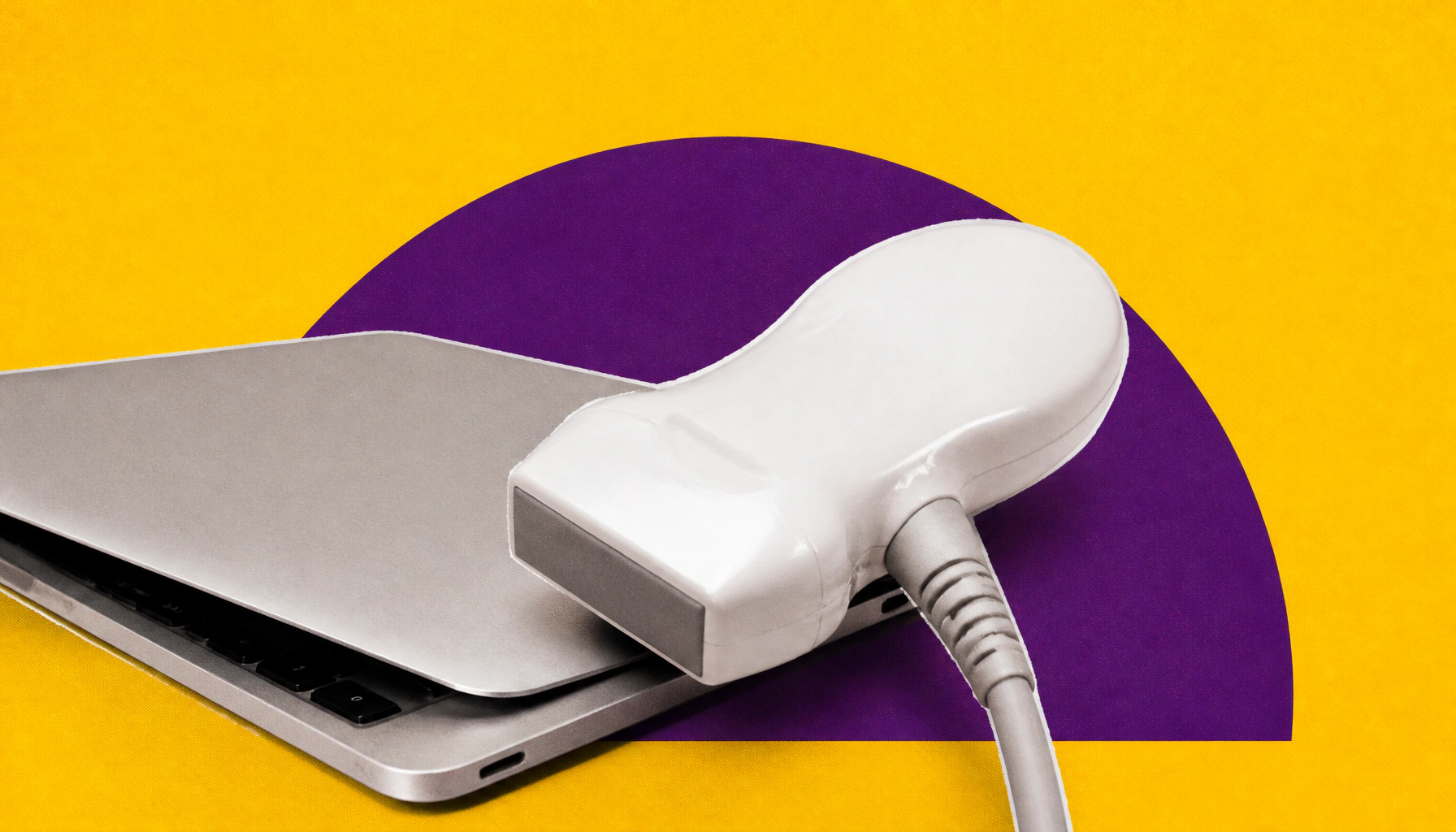
AI is emerging as a powerful fix. According to Dr. Mohammed Andaleeb Chowdhury of Temple University's Lewis Katz School of Medicine, AI models can analyze echocardiograms and ECGs to detect subtle patterns that human readers miss — even when the traditional pressure signal from the tricuspid valve is absent. Paired with portable handheld ultrasound devices, this technology could bring expert-level screening to community clinics and hospitals worldwide that currently lack specialist access.
Key Takeaways:
Why it matters: Earlier diagnosis means earlier treatment — and studies show patients who start therapy soon after diagnosis have significantly better outcomes, including preserved right heart function and lower hospitalization risk.