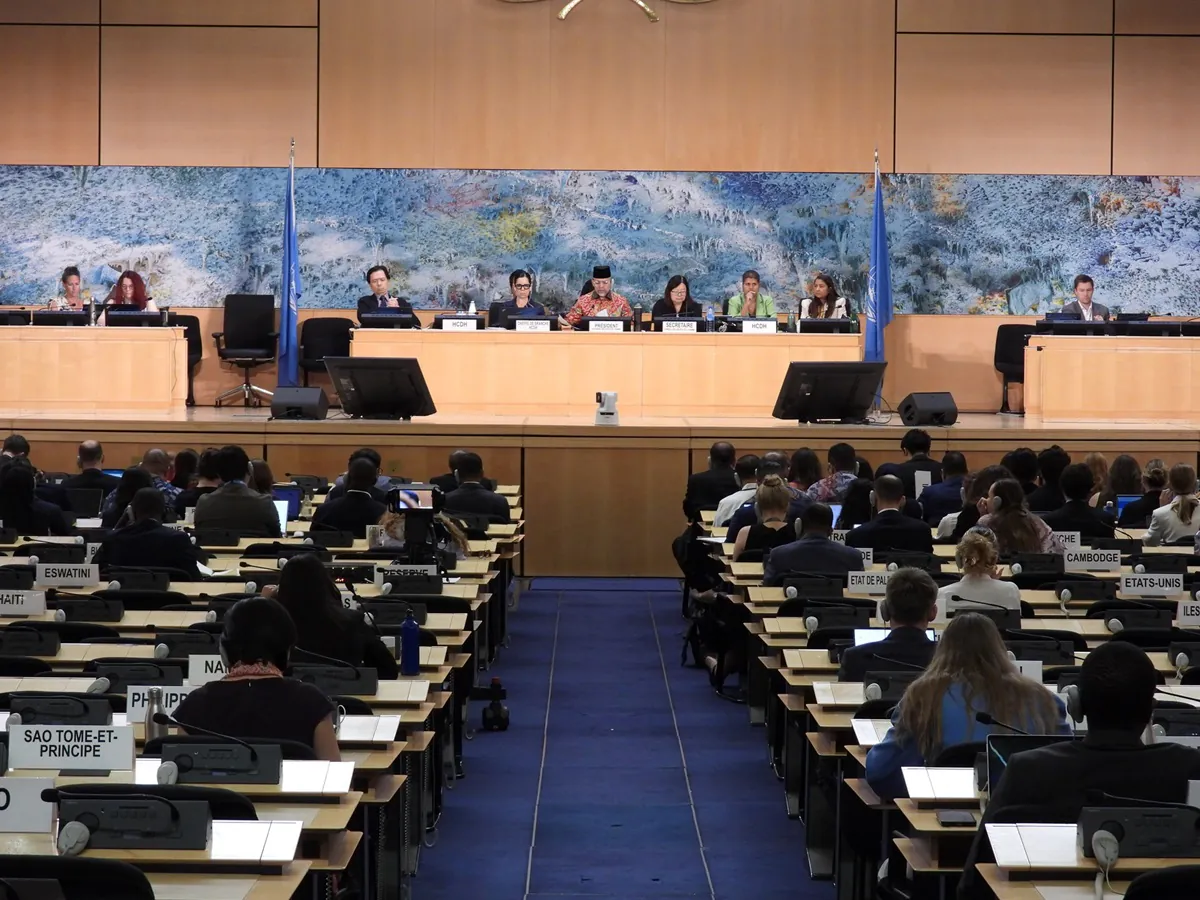
For the first time ever, the UN Human Rights Council has adopted a resolution dedicated to neglected tropical diseases (NTDs), framing them not just as a medical problem but as a human rights concern. Led by six African nations, the resolution calls on governments to scale up resources and adopt rights-based approaches to tackle NTDs. A comprehensive follow-up report is expected to be submitted to the Council in 2027.
The United Nations Human Rights Council (HRC) has unanimously adopted its first-ever resolution dedicated entirely to neglected tropical diseases (NTDs), marking a pivotal shift in how the global community frames these conditions. Resolution 62/27, led by Malawi and co-sponsored by Burkina Faso, Gambia, Kenya, Morocco, and Tanzania, declares that NTDs are not merely a medical challenge — they "reflect and reinforce patterns of inequality, discrimination and social exclusion."
The resolution highlights structural drivers of NTDs, including lack of access to clean water, sanitation, adequate housing, and education, as well as climate change and displacement from conflict. It also flags that women, girls, and remote or mobile communities bear a disproportionate burden of these diseases. As a next step, the UN Office of the High Commissioner for Human Rights (OHCHR) has been tasked with preparing a comprehensive report on the human rights dimensions of NTDs — in consultation with WHO — to be submitted to the HRC in 2027.
Quick Facts:
Why it matters: By anchoring NTDs within a human rights framework, this resolution could unlock new political will and funding streams, pushing governments to address the poverty, stigma, and systemic exclusion that allow these diseases to persist.