Bringing CGM to the primary care office pays off. A new JAMA Network Open study found that diabetes patients who started continuous glucose monitoring (CGM) in primary care saw nearly half a percentage point greater drop in A1c and a 13–18% lower risk of hospitalizations and ER visits compared to controls — even without any endocrinologist involvement.
Bringing CGM to the primary care office pays off
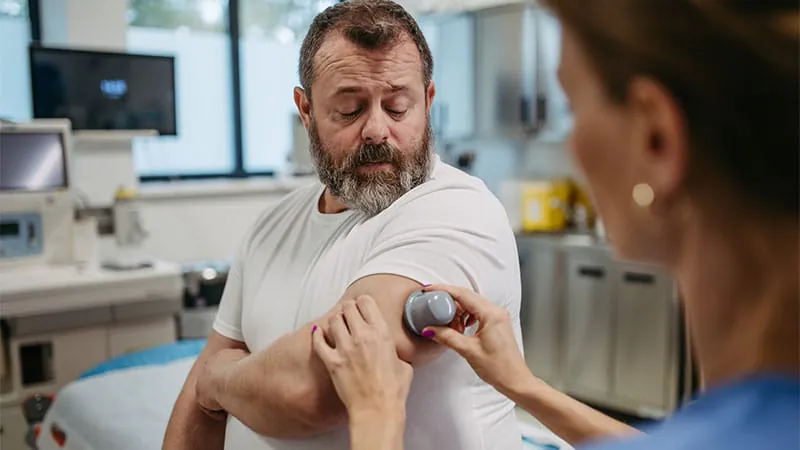
A large real-world study published in JAMA Network Open found that initiating continuous glucose monitoring (CGM) in primary care settings leads to meaningful improvements in diabetes outcomes. Among 8,502 insulin-treated adults across 18 Montefiore Medical Center clinics, those prescribed CGM by a primary care clinician saw significantly greater A1c reductions and fewer trips to the hospital or ER — even when no endocrinologist was involved. The study population was notably diverse, with roughly 46% Hispanic and 35% non-Hispanic Black patients.
Despite CGM being the standard of care for insulin-treated diabetes, adoption in primary care has lagged. This study challenges the assumption that CGM initiation belongs primarily in specialist settings, suggesting that primary care providers can drive meaningful outcomes on their own — a critical finding given the growing shortage of endocrinologists.
By the Numbers
Why it matters: With diabetes rates rising and endocrinologist shortages growing, most diabetes care happens in primary care offices. These findings give PCPs the evidence — and confidence — to start CGM earlier, potentially reducing costly hospitalizations and expanding access to diabetes technology in underserved communities.