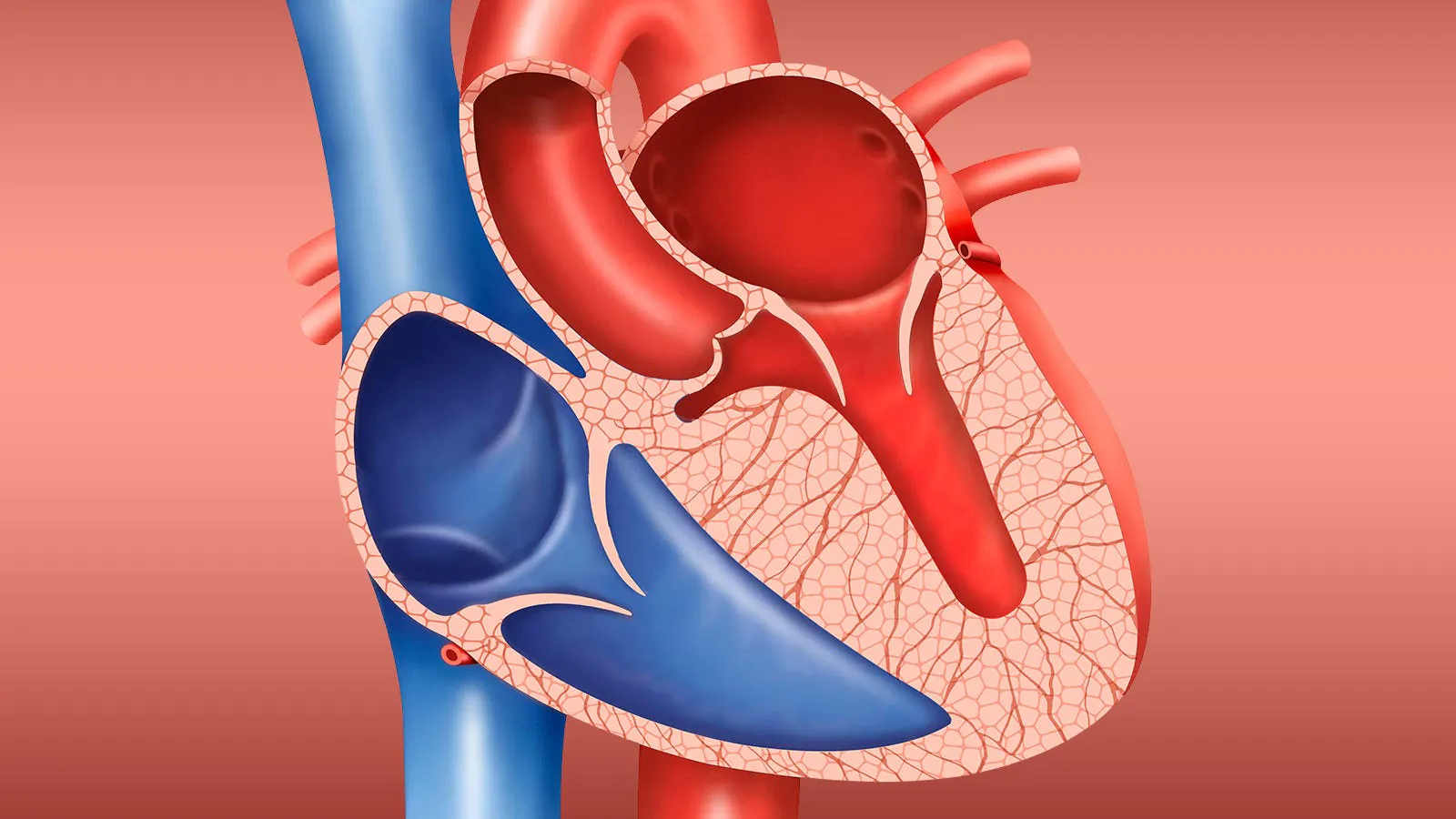
Grief can literally break your heart. Takotsubo syndrome — or "broken heart syndrome" — is a stress-induced form of acute heart failure triggered by intense emotional distress, and new research shows it's far from benign. Long-term mortality can rival that of a heart attack, and the brain's role in triggering the condition is reshaping how doctors think about treatment.
Grief can literally break your heart. Takotsubo syndrome — nicknamed "broken heart syndrome" — is a stress-induced form of acute heart failure that mimics a heart attack but occurs without coronary obstruction. First described in 1990, it's triggered by intense emotional events like losing a loved one, and primarily affects older women. Once dismissed as transient and benign, it's now recognized as a serious condition with real mortality risk.
New research is reshaping how we understand the disease. A 2024 study in Neurology found that the condition originates not just in the heart, but in the brain — specifically in disrupted connectivity with the vagal nucleus, a region governing the heart's parasympathetic control. Meanwhile, a 2025 multicenter registry study (GEIST) found that beta-blockers reduced mortality during follow-up, though they didn't prevent recurrences.
The grief connection runs deep. A Danish study of over 1,700 people found that those with severe, persistent grief had dramatically worse long-term health outcomes.
By the Numbers:
Why it matters: Takotsubo syndrome is a reminder that emotional health and cardiovascular health are deeply intertwined. Clinicians should consider grief and psychological stress as serious cardiac risk factors, and ensure long-term follow-up extends beyond the initial acute episode.