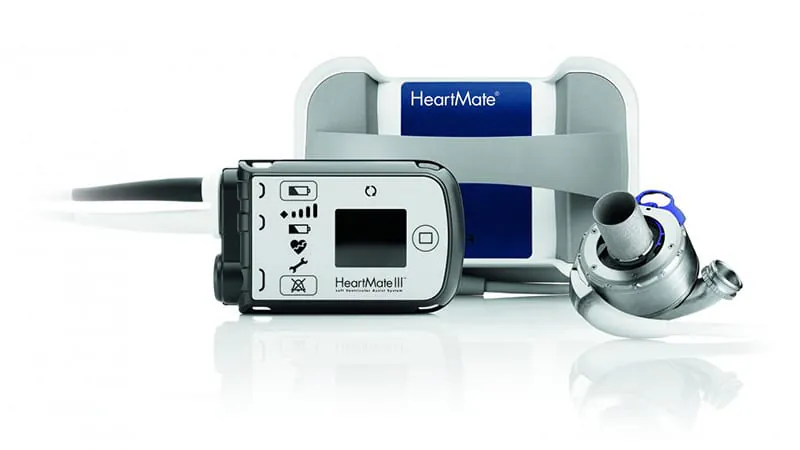
Age plays a major role in how well patients fare with the HeartMate 3 left ventricular assist device (LVAD). A large study found younger patients had better survival and fewer bleeding events, while older patients faced more infections and sepsis. Hemorrhagic stroke, however, was more common in the youngest group.
Age plays a major role in how well patients fare with the HeartMate 3 left ventricular assist device (LVAD). A pooled analysis of 2,200 patients from the MOMENTUM 3 trial found that 2-year survival dropped significantly with age — from 89.1% in patients under 50 to just 72.8% in those 70 and older. Older patients also faced higher rates of major bleeding, gastrointestinal bleeding, and serious infections including sepsis.
But it's not all straightforward. Younger patients had their own risks — specifically, hemorrhagic stroke was most common in the under-50 group, while ischemic stroke rates were similar across all ages. Quality of life and walking capacity improved across the board, though the youngest patients saw the biggest functional gains.
Key Takeaways:
Why it matters: These findings push back against a one-size-fits-all approach to LVAD therapy. While younger patients may benefit most from HeartMate 3 as a bridge to recovery or transplant, clinicians are urged to weigh age-specific complication profiles — not just survival odds — when making treatment decisions.