Climate change and globalization are pushing mosquitoes into regions that have never dealt with them before, bringing diseases like dengue, malaria, and chikungunya along for the ride. Iceland just recorded its first-ever wild mosquito, and the U.S. is seeing locally acquired cases of illnesses once considered exotic. Clinicians and health systems urgently need to update their thinking — and their preparedness — before the next outbreak catches them off guard.
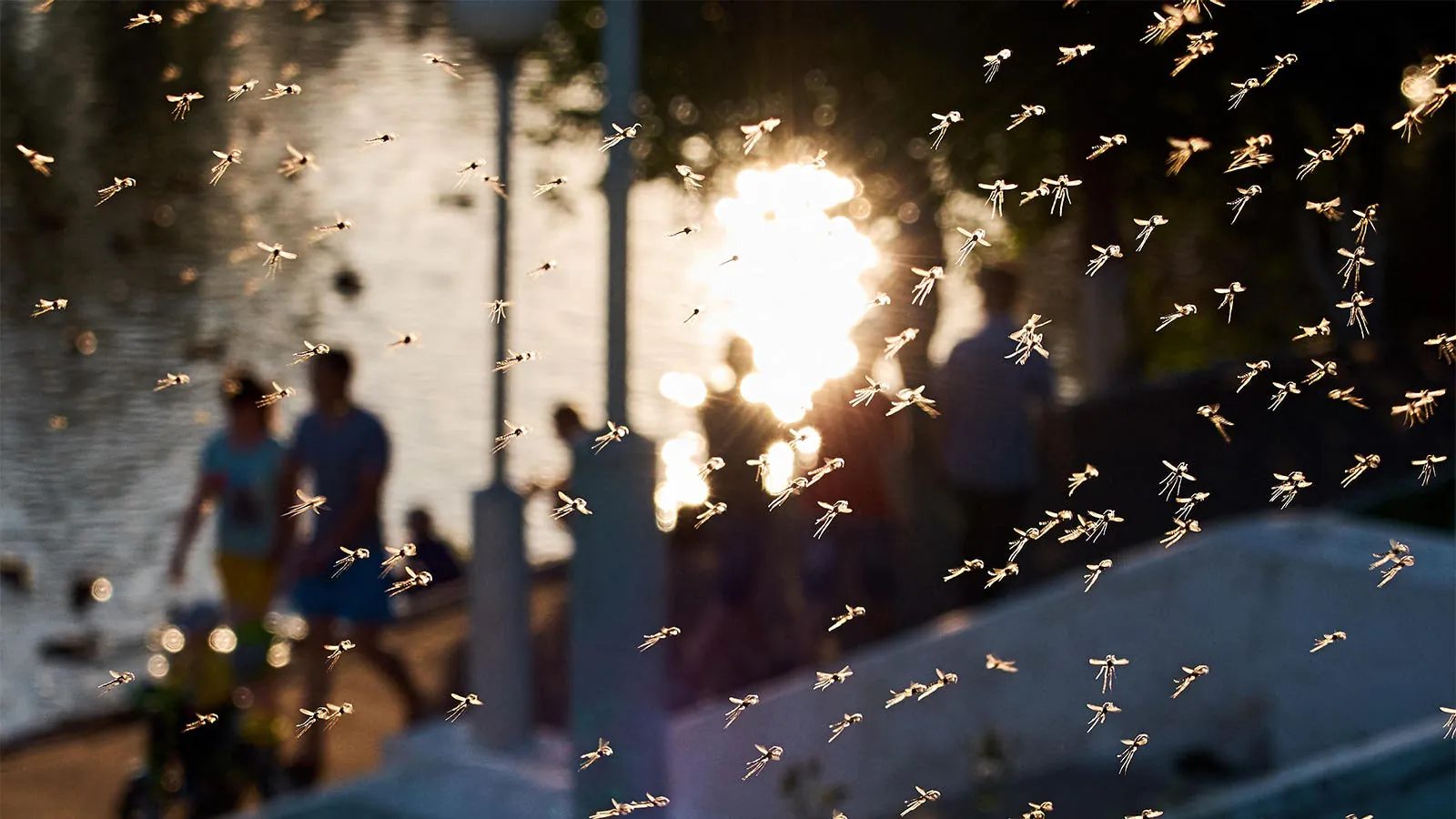
Mosquitoes — responsible for up to half of all human deaths throughout history — are expanding their range at an alarming pace. Climate change, urbanization, and rapid global travel are enabling species like the Aedes mosquito to thrive at higher latitudes and altitudes. Iceland, once one of the last mosquito-free places on Earth, just recorded its first wild mosquito sighting. Meanwhile, the U.S. is seeing a surge in locally acquired cases of diseases once considered far-flung: dengue, malaria, West Nile virus, and chikungunya are all on the rise.
The clinical implications are serious. Physicians trained to ask about international travel may be asking the wrong question — today, a patient who visited the southeastern U.S. or California could be at risk. Delayed diagnoses are already happening: in Los Angeles, locally acquired dengue cases took a median of 9 days from symptom onset to testing, and a New Orleans malaria patient waited 3 days to receive first-line treatment because the medication had to be shipped from another facility.
Key Takeaways:
Why it matters: As mosquito-borne illnesses migrate into immunologically naïve populations, knowledge gaps among clinicians and supply gaps in health systems create compounding risks — for individual patients and for broader community spread.