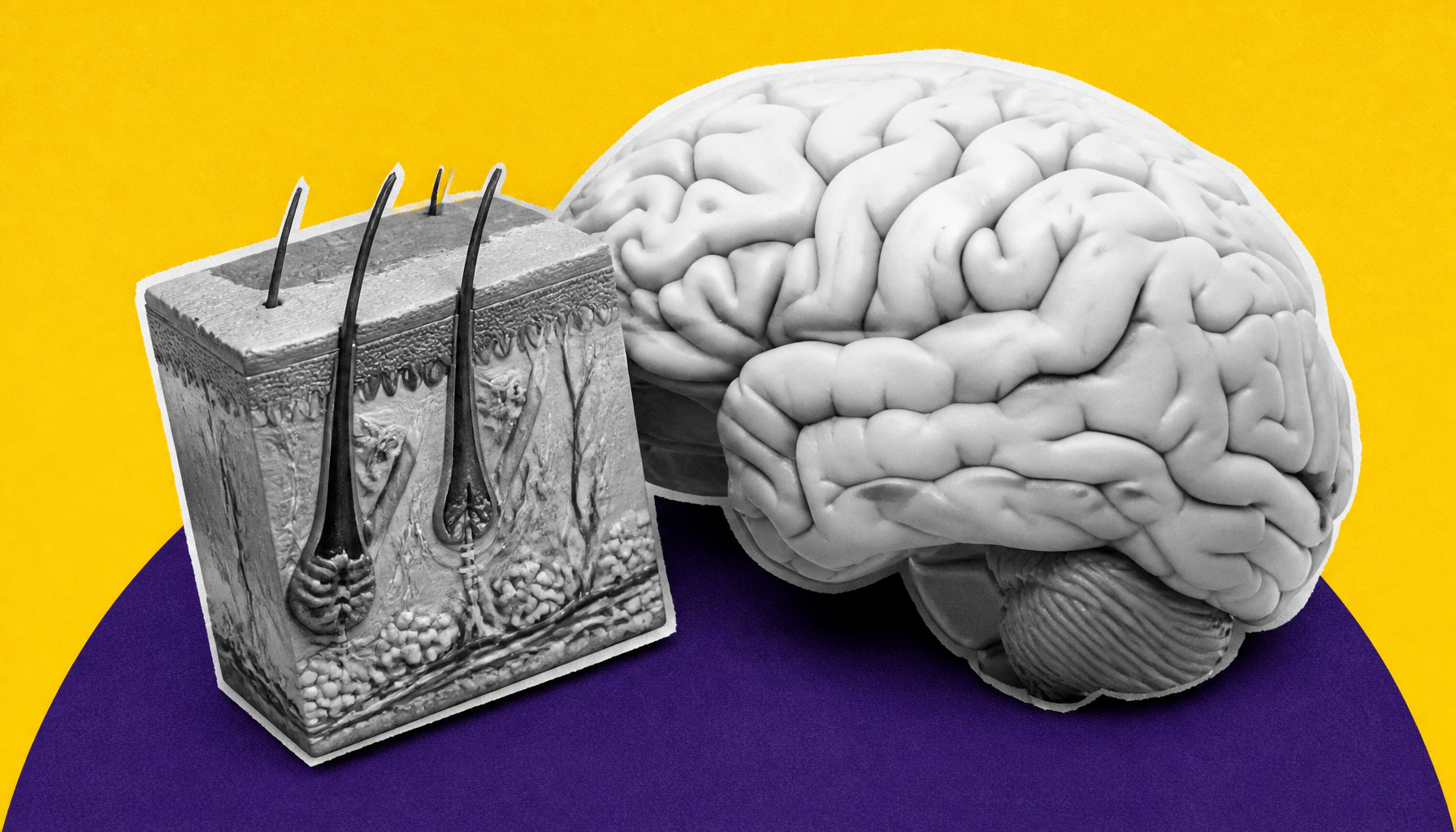
Skin conditions tied to mental health are underdiagnosed in older adults — and experts want that to change. Psychocutaneous diseases, where skin symptoms and psychological factors are deeply intertwined, disproportionately affect people over 65 due to aging skin, cognitive decline, and polypharmacy. Dermatologist Dr. Shari Lipner is calling for more empathetic, multidisciplinary care to address this growing and often overlooked problem.
As America's 65+ population heads toward 82 million by 2050, dermatologists are sounding the alarm on a class of conditions that sits squarely at the intersection of skin and mind. Psychocutaneous diseases — think delusional infestation, chronic itch driven by psychological factors, and compulsive skin picking — are surprisingly common in older adults, yet frequently missed or dismissed by non-dermatologists.
Why are older adults so vulnerable? Aging brings a perfect storm: skin barrier breakdown, chronic itch, neurological changes, cognitive decline, social isolation, and polypharmacy. These factors can distort perception and impulse control, fueling a vicious cycle of skin damage, inflammation, and more itch. The underlying mechanism involves the psychoneuroimmunological model — stress hormones and neuropeptides lower the itch threshold and impair healing, while the skin sustains its own local inflammatory loop.
Key Takeaways:
Why it matters: With the geriatric population booming, clinicians across specialties need to recognize and treat psychocutaneous diseases — conditions that are common, complex, and too often left unaddressed.