Good news for maternal health: blood lead and mercury levels in UK pregnant women have dropped dramatically since the early 1990s. A new study found lead levels are down ~84% and mercury levels down ~60% compared to 1991–1992 data. Seafood remains the main mercury source, with methylmercury making up 93% of total blood mercury detected.
Good news for maternal health in the UK
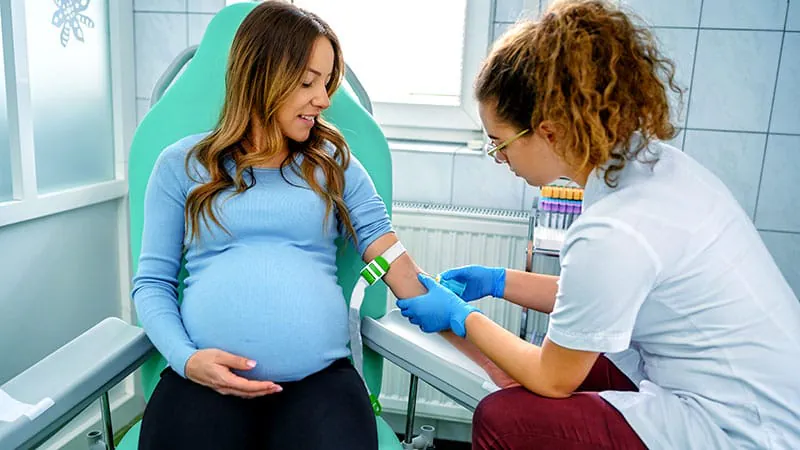
A new cross-sectional study published in BMJ Open found that blood lead and mercury levels in UK pregnant women have fallen sharply since the early 1990s — a sign that decades of environmental and public health efforts are paying off. Researchers analyzed blood and urine samples from 313 pregnant women collected between 2023 and 2024 as part of the PEAR Study.
The data showed mean blood lead levels were about 84% lower than those recorded in the ALSPAC cohort in 1991–1992, while total blood mercury levels were roughly 60% lower. Fewer than 0.5% of participants exceeded UK lead concern thresholds, putting the UK on par with other high-income countries in Europe and the US.
By the Numbers
Why it matters: While the trend is encouraging, researchers stress the need for ongoing, larger-scale monitoring of toxic metal exposure in pregnant women and other vulnerable groups — particularly as dietary and environmental exposures continue to evolve.