When bacterial biofilms sense they're dying, they don't just fade away — they launch cells like escape pods. UC San Diego researchers discovered that a self-generated hydrogel physically ejects cells from the community, enabling survival and recolonization. The finding opens a promising new door for fighting antibiotic-resistant biofilms without drugs.
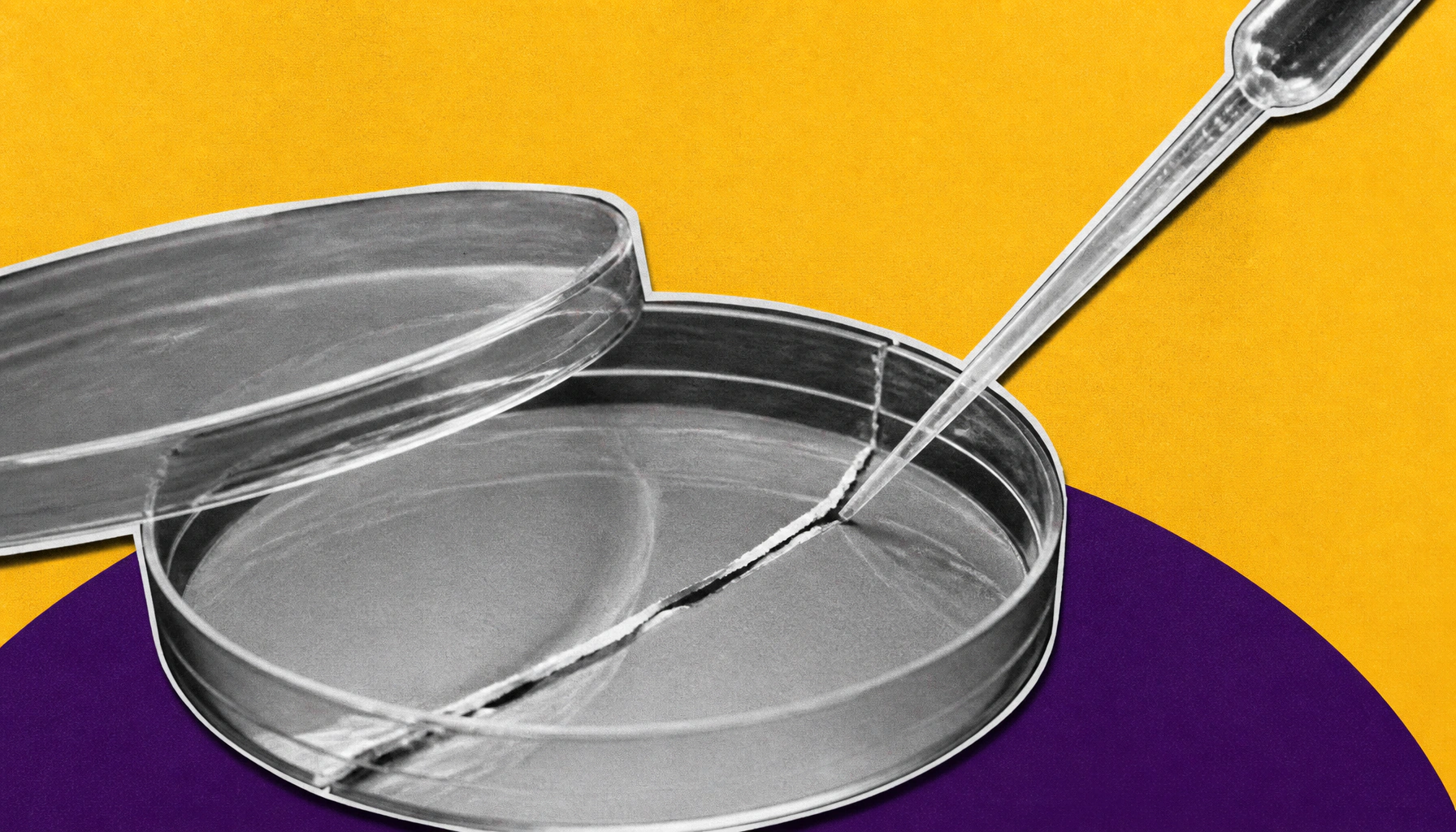
When a bacterial biofilm is under threat — say, from nutrient starvation — it doesn't just quietly dissolve. According to new research from UC San Diego published in Nature Microbiology, it fires cells out like escape pods. Scientists studying Bacillus subtilis biofilms discovered this ejection mechanism for the first time, finding it's driven by a self-generated hydrogel made of a polymer called poly-γ-glutamic acid (γ-PGA). This hydrogel can absorb up to 1,000 times its weight in water, swelling enough to physically propel interior cells through the biofilm's outer layers to freedom.
The ejected cells are mobile and capable of swimming away to colonize new locations — essentially ensuring the community's survival. Researchers confirmed the mechanism through genetics and chemical manipulation, and crucially, showed they could force biofilms to rupture on demand by overproducing γ-PGA.
Key Takeaways:
Why it matters: Antibiotic-resistant biofilms are a growing public health threat. A drug-free method to force their rupture could be a game-changer in treating persistent infections.