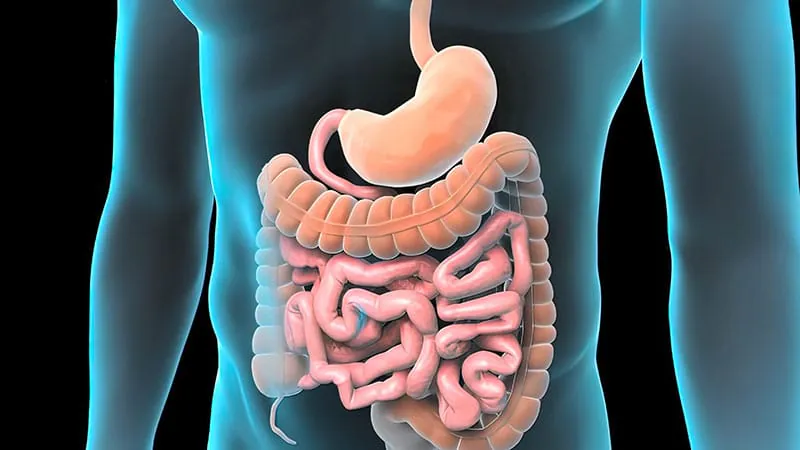
Immune checkpoint inhibitors (ICIs) are revolutionizing cancer care, but GI side effects affect up to 40% of patients — and can show up weeks or even years into treatment. A GI toxicity expert breaks down which drugs carry the highest risk, how to manage flares, and what patients can do to protect their gut health before starting therapy.
Immune checkpoint inhibitors (ICIs) have transformed cancer treatment, but their GI side effects are a growing clinical challenge. Up to 40% of patients experience GI adverse events — ranging from diarrhea and colitis to hepatitis and pancreatitis — and these rank among the most common severe complications seen with ICIs. Dr. Saurin Chokshi of the University of Tennessee Health Science Center recently outlined key management strategies at the NCCN annual conference.
The risk varies significantly by drug class. Anti-CTLA-4 agents like ipilimumab carry the highest risk, with diarrhea rates up to 54%, while anti-PD-1 monotherapy sees diarrhea in about 10% of patients. Combination regimens amplify risk further. Symptoms can emerge anywhere from one week to two years after starting treatment — and can even recur after stopping the drug entirely.
Key Takeaways:
Why it matters: As ICI use expands across cancer types, GI toxicities are becoming an increasingly common reason for treatment interruption or discontinuation. Early recognition, proactive patient education, and smart lifestyle modifications can meaningfully reduce severity and keep patients on life-saving therapy.