The maternal RSV vaccine (RSVpreF/Abrysvo) doesn't raise the risk of preterm birth, stillbirth, or low birth weight — but it does appear to modestly increase the risk of hypertensive disorders like gestational hypertension and preeclampsia. A large matched study of nearly 14,000 vaccinated pregnancies found an adjusted risk ratio of 1.13 for any hypertensive disorder. The overall safety profile is still considered favorable, and the vaccine remains an important tool for protecting newborns from RSV.
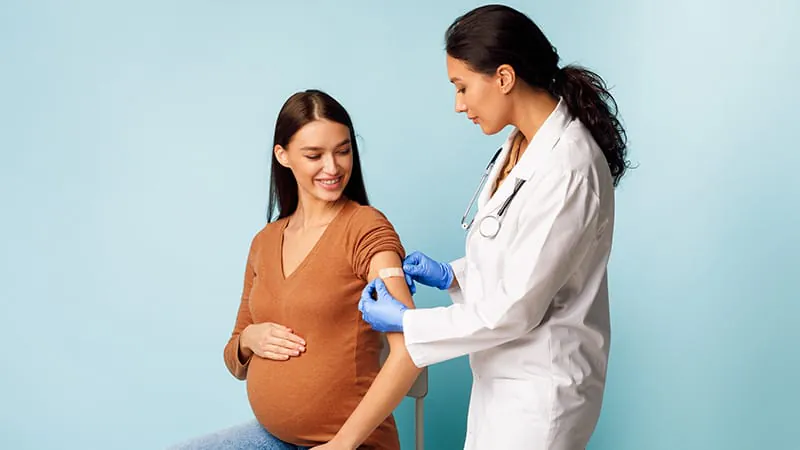
The maternal RSV vaccine (RSVpreF, brand name Abrysvo) continues to show a broadly reassuring safety profile in pregnancy — but a persistent signal around hypertensive disorders deserves attention. A large target trial emulation using data from multiple U.S. health systems matched nearly 14,000 vaccinated pregnant patients with an equal number of unvaccinated peers and found no increased risks for preterm birth, stillbirth, or small-for-gestational-age birth weight.
However, vaccinated patients had a modestly higher risk of hypertensive disorders of pregnancy — including gestational hypertension and preeclampsia — a finding that has now appeared across multiple studies. Notably, when the analysis was narrowed to the 21 days immediately following vaccination, the hypertension signal was no longer statistically significant, raising questions about causality. Real-world data from England's 2024–25 RSV season also showed the vaccine was 81.3% effective at preventing infant hospitalizations, with even stronger protection when given earlier in the third trimester.
Key Takeaways:
Why it matters: With RSV being one of the leading causes of infant hospitalization, the maternal vaccine is a critical prevention tool. Clinicians can counsel patients that the overall safety profile is favorable, while keeping a close watch on blood pressure — especially in those already at risk for hypertensive disorders.