A tongue-based neurostimulation device just got the green light for stroke recovery. The FDA cleared the PoNS (Portable Neuromodulation Stimulator) device for treating gait deficits in chronic stroke patients — the first non-invasive, orally applied neuromodulation device approved for stroke rehab in the US. Backed by a 159-patient trial, the device showed a 45.5% higher response rate compared to physical therapy alone, and Medicare coverage is available at launch.
A tongue-based neurostimulation device just got the green light for stroke recovery.
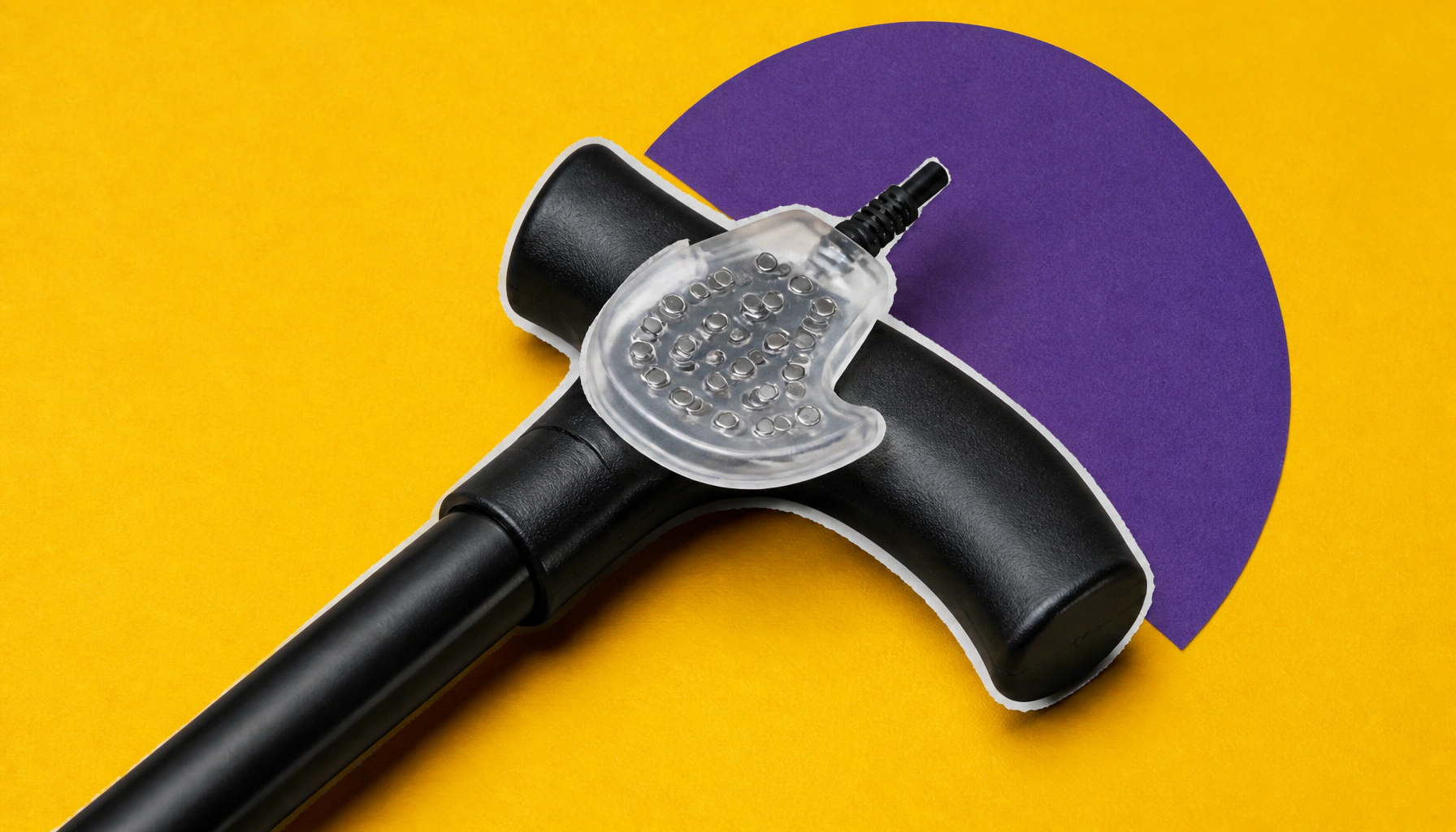
The FDA has granted 510(k) clearance to Bioness Medical's PoNS (Portable Neuromodulation Stimulator) device for treating chronic stroke-related gait deficits — making it the first non-invasive, orally applied neuromodulation device cleared for stroke rehabilitation in the US. The device delivers mild electrical stimulation through a mouthpiece placed on the tongue, activating cranial nerves connected to the brainstem to promote neuroplasticity and help the brain build new neural pathways around stroke-damaged areas. Patients use it at home alongside a prescribed physical therapy program.
The clearance was supported by the Stroke Registrational Program (SRP), a three-study, 159-patient trial across 10 centers in the US and Canada. Active PoNS plus PT significantly outperformed sham plus PT on the Functional Gait Assessment at 12 weeks, and benefits held through week 24. The device previously received FDA de novo authorization for MS-related gait deficits in 2021, and Bioness plans to launch commercially in Germany first before broader rollout.
By the Numbers:
Why it matters: Stroke is a leading cause of long-term disability, and effective rehab options remain limited. A home-use device that meaningfully improves walking ability — with Medicare coverage from day one — could expand access to recovery for millions of stroke survivors.