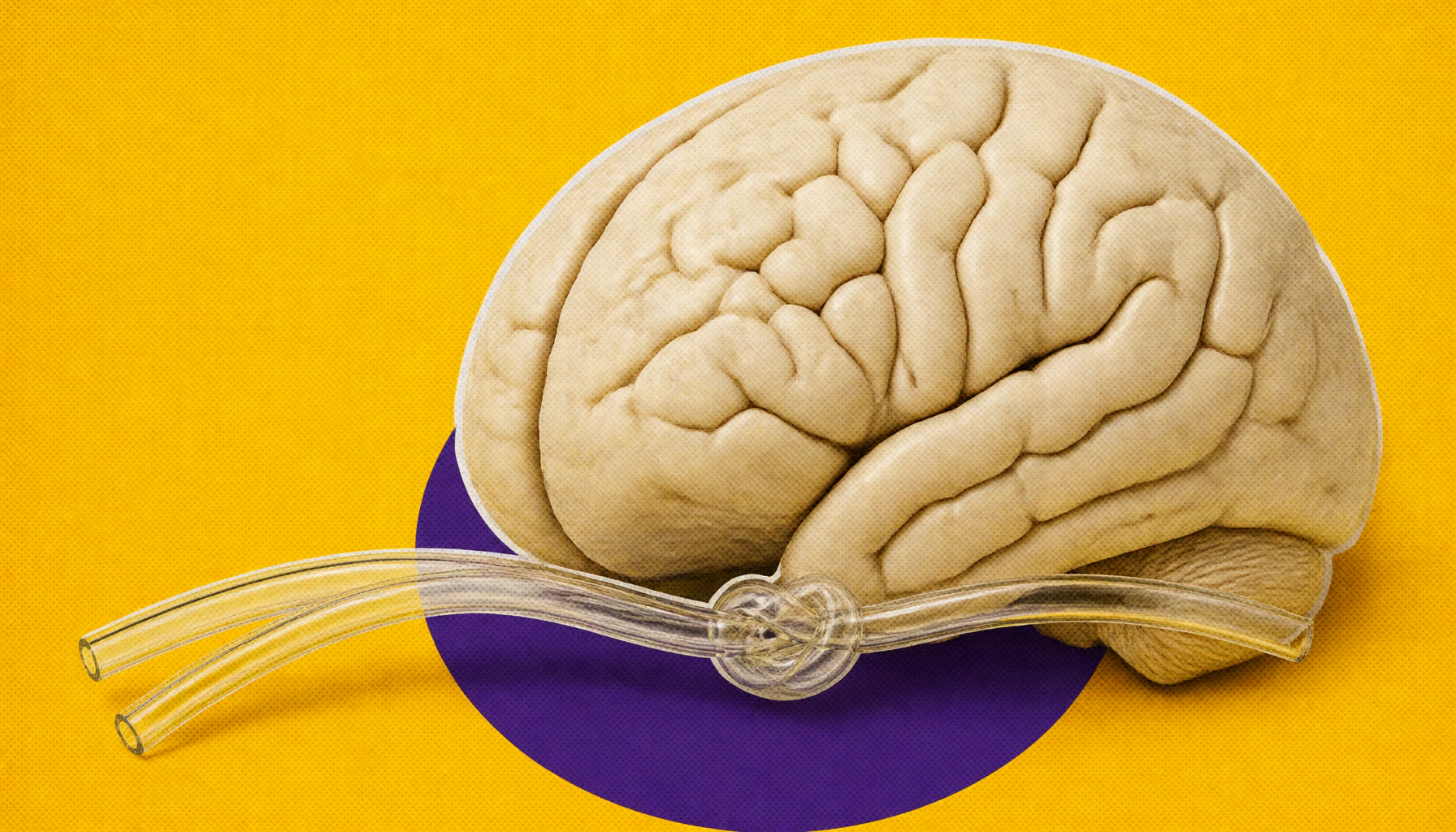
Brain therapy goes borderless. A Madrid hospital has introduced next-gen neurostimulators that let neurologists remotely adjust deep brain stimulation (DBS) settings via secure digital platforms — no hospital visit required. The technology could be a game-changer for patients with Parkinson's disease, essential tremor, and dystonia who live far from specialized care centers.
Brain therapy goes borderless
Deep brain stimulation (DBS) — a therapy that delivers targeted electrical impulses to specific brain circuits to ease symptoms like tremors, rigidity, and involuntary movements — has long required patients to make repeated hospital visits for device reprogramming. That's changing. Fundación Jiménez Díaz University Hospital in Madrid has introduced a new generation of neurostimulators that allow neurologists to monitor and adjust stimulation settings remotely through secure digital platforms, eliminating routine in-person programming sessions.
The real-world impact is already visible: a patient in Peru is now receiving ongoing DBS follow-up from the same Madrid-based multidisciplinary team that implanted the device — a striking example of how telemedicine can stretch specialized neurological care across continents.
Key Takeaways:
Why it matters: Access to DBS expertise is geographically limited for millions of patients globally. Remote programming could democratize specialist neurological care, making high-quality follow-up available regardless of where a patient lives.