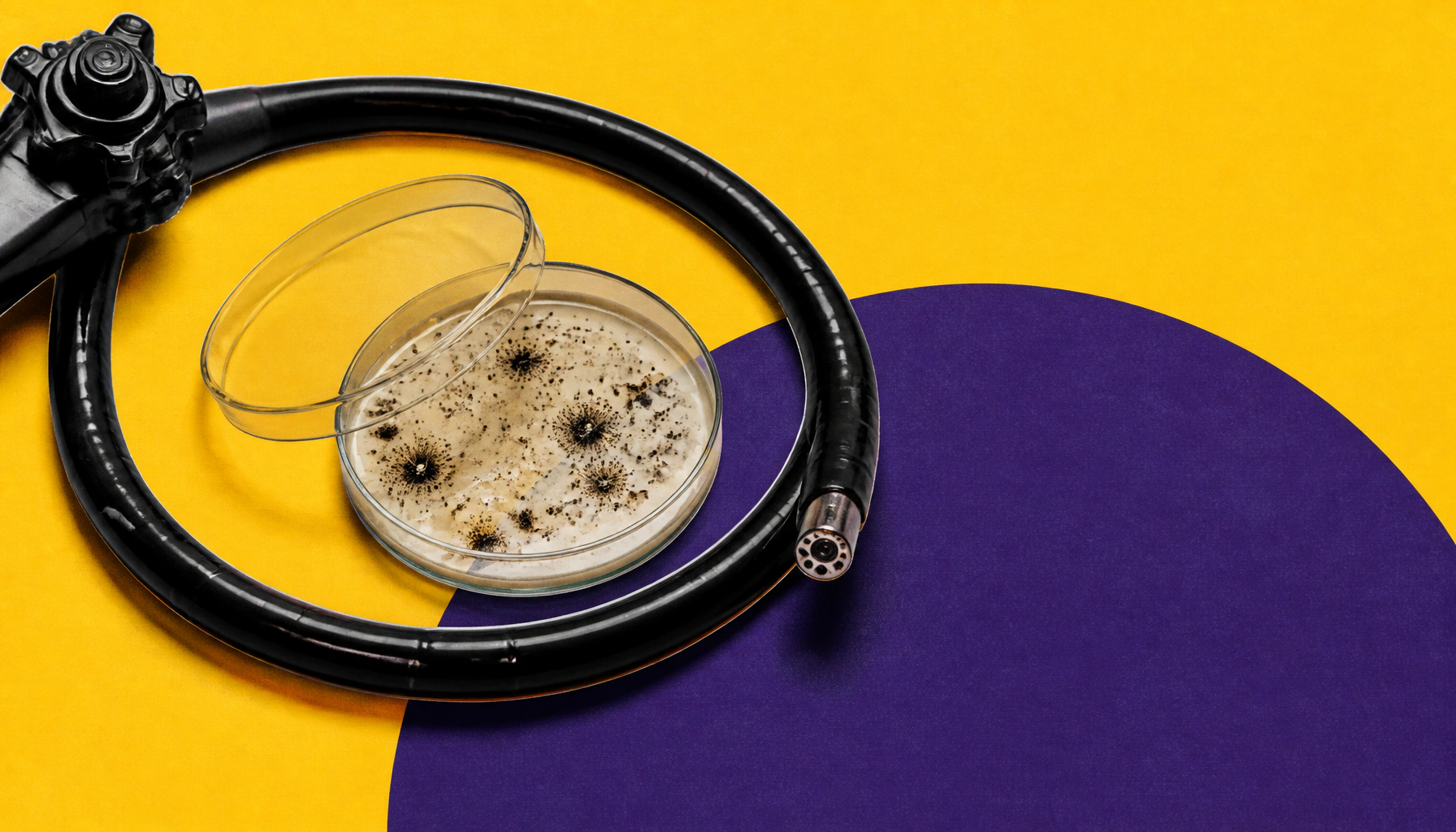
Fecal transplants didn't beat drug-resistant bacteria in a new trial, but the gut microbiome still got a boost. A randomized, sham-controlled study of 114 GI patients found no significant difference in multidrug-resistant organism (MDRO) decolonization after a single FMT session. However, researchers observed a meaningful shift toward beneficial, gut-health-supporting bacteria post-transplant.
A new randomized, sham-controlled trial out of India found that a single fecal microbiota transplantation (FMT) session did not significantly clear multidrug-resistant organisms (MDROs) in patients with gastrointestinal diseases — but it wasn't a total loss. Researchers observed a notable shift in gut microbiome composition following FMT, with an enrichment of beneficial, short-chain fatty acid-producing bacteria like Dorea, Lachnospira, and Eubacterium — a sign that meaningful biological change is happening, even if resistant organisms aren't being fully cleared.
The study enrolled 114 patients (ages 18–75) with GI conditions including pancreatitis, cirrhosis, and other disorders, the majority of whom were colonized with carbapenem-resistant or extended-spectrum beta-lactamase-producing Enterobacteriaceae. Patients received either FMT via colonoscopy or a sham procedure, with MDRO decolonization assessed at 4 weeks.
By the Numbers:
Why it matters: With no FDA-approved therapies to prevent MDRO infections, the search for microbiome-based solutions is urgent. While a single FMT session isn't the answer on its own, the microbiome shifts observed keep the door open for future strategies — including repeated sessions, targeted microbial consortia, or precision therapeutics.