A fully automated insulin delivery system combining insulin lispro-aabc and pramlintide achieved similar blood sugar control to insulin alone in adults with type 1 diabetes — while also cutting daily insulin doses. A subgroup with poorer baseline control saw meaningful improvements, hinting at where this tech could shine most. Larger, longer trials are still needed.
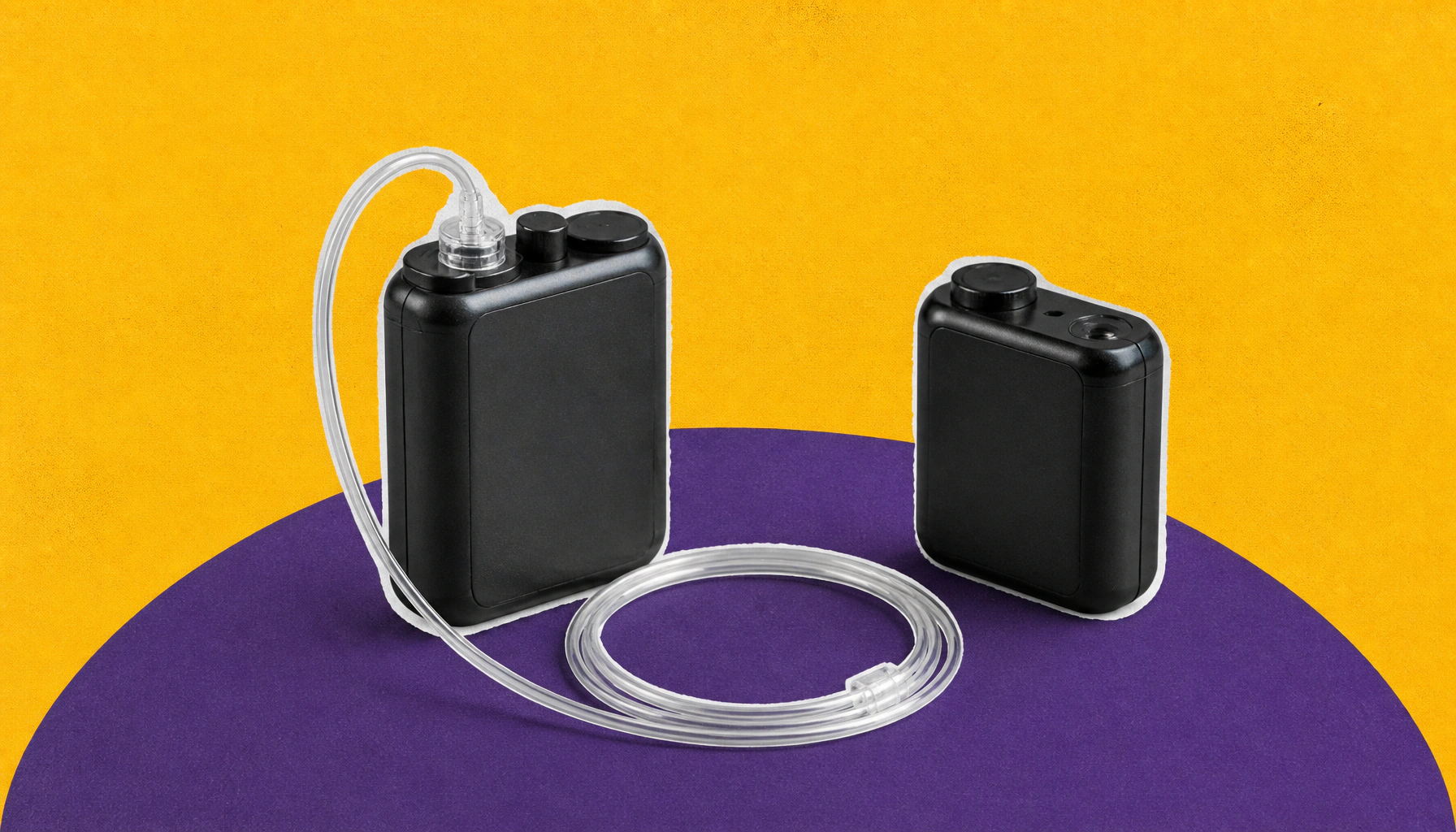
A randomized crossover trial presented at the American Diabetes Association Scientific Sessions found that a fully closed-loop automated insulin delivery (AID) system combining ultrarapid-acting insulin lispro-aabc (Lyumjev) and pramlintide (Symlin) delivered comparable time-in-range (TIR) outcomes to insulin alone in adults with type 1 diabetes. The system used a Dexcom G6 CGM and two insulin pumps running simultaneously — designed to tackle the postprandial glucose spikes that often accompany standard AID systems.
While the pramlintide arms didn't technically meet the trial's noninferiority threshold, a subgroup of 10 participants with suboptimal baseline control (TIR < 70%) showed a statistically significant improvement in TIR with the combo system — and without the burden of manual carb counting. Daily insulin doses were also meaningfully lower in both pramlintide groups.
By the Numbers:
Why it matters: For people with type 1 diabetes struggling to hit glycemic targets, a fully automated system that reduces insulin needs and improves control — without manual carb counting — could be a meaningful quality-of-life upgrade. Larger trials focusing on those with suboptimal control are the logical next step.