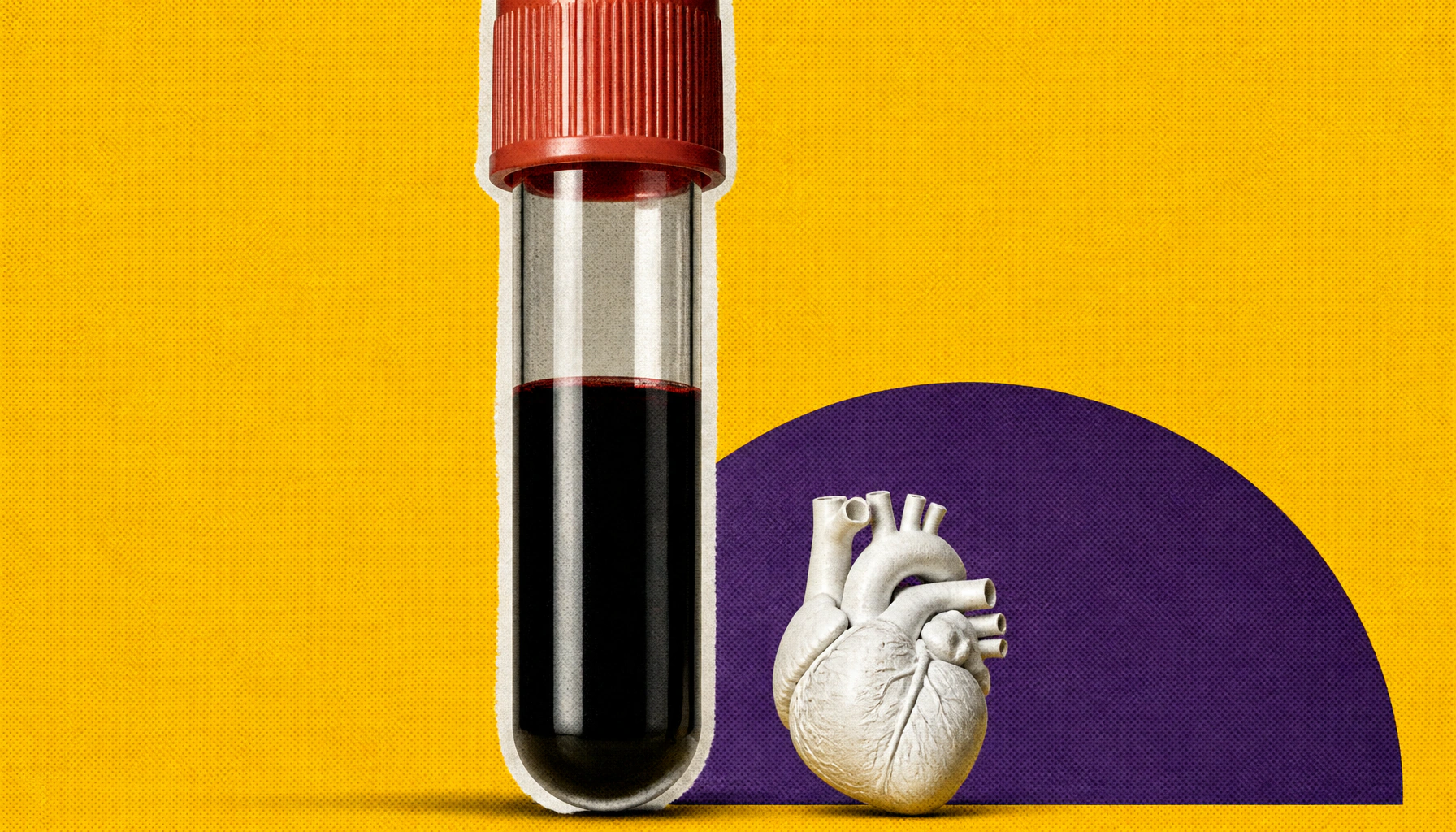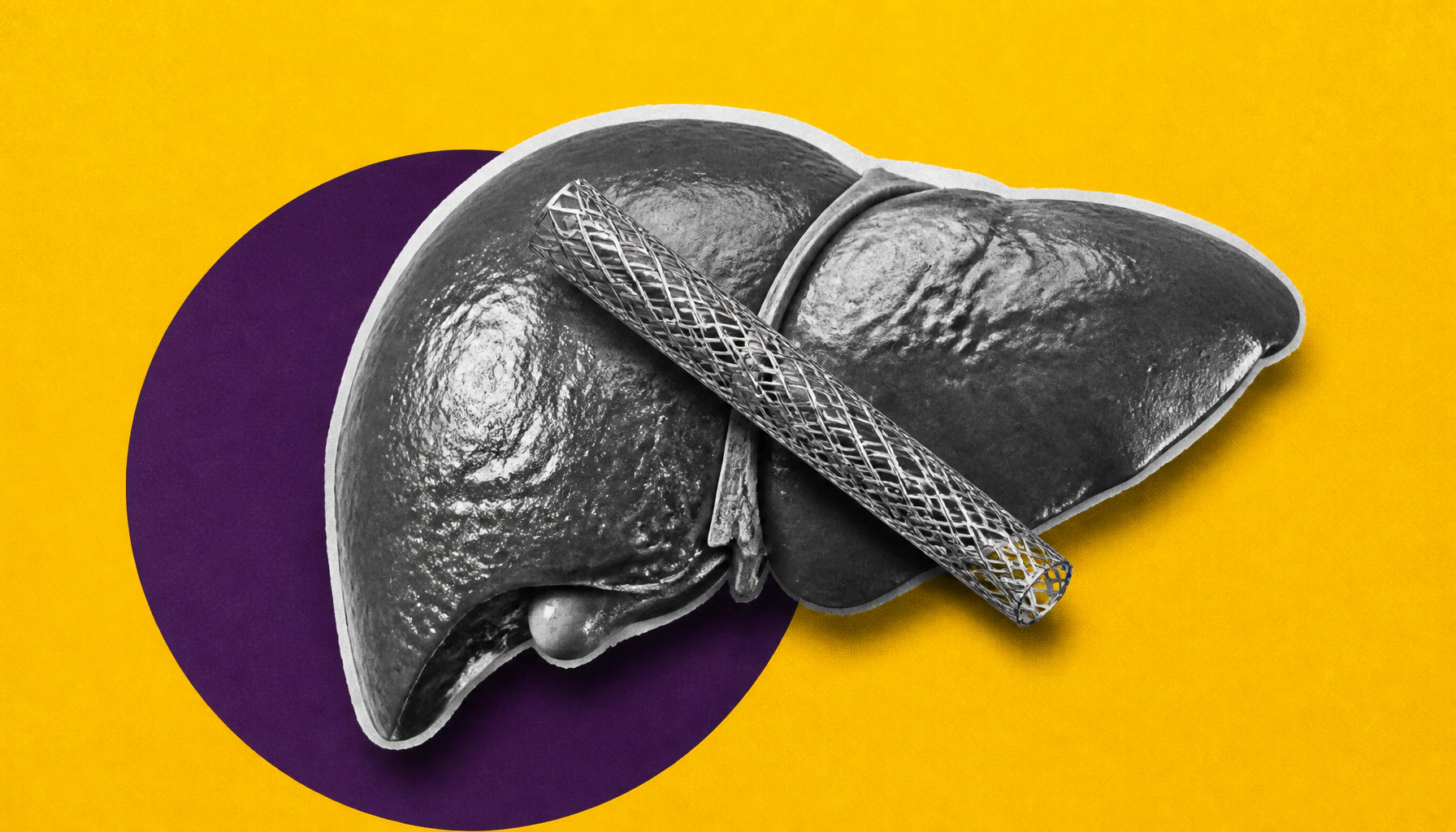
A new study finds that heart attack patients with greater hepatic steatosis (fatty liver) are more likely to have complex coronary artery disease. Researchers used a noninvasive bedside tool called controlled attenuation parameter (CAP) to measure liver fat and found it independently predicted CAD complexity. The findings suggest CAP could become a quick, practical tool for cardiovascular risk assessment in acute care settings.
A study published in the Journal of Clinical Gastroenterology reveals that acute myocardial infarction (AMI) patients with greater hepatic steatosis — commonly known as fatty liver — are significantly more likely to have complex coronary artery disease (CAD). Researchers evaluated 161 hospitalized AMI patients and used the controlled attenuation parameter (CAP), a noninvasive ultrasound-based measure, to quantify liver fat alongside the SYNTAX score to gauge CAD complexity.
Patients with significant liver steatosis had notably higher SYNTAX scores (median 22.25) compared to those without (median 15.75), and CAP independently predicted complex CAD even after adjusting for other risk factors. Over half the study population (53.4%) had fatty liver, and 59 patients were classified as having complex CAD.
Key Takeaways:
Why it matters: Fatty liver disease is already known to raise heart attack risk, but this study goes further — showing it also predicts how complex that heart disease will be. Using CAP as a bedside tool could help clinicians rapidly stratify cardiovascular risk in AMI patients without additional invasive testing.