One of the largest studies of its kind found that pregnant women are exposed to an average of 45 chemicals from everyday sources like food packaging, personal care products, and air pollution. Many of these chemicals — including phthalates and their supposed "safer" replacements — were linked to shorter pregnancies and lower birth weights. Researchers are calling for stronger chemical safety policies to protect mothers and babies.
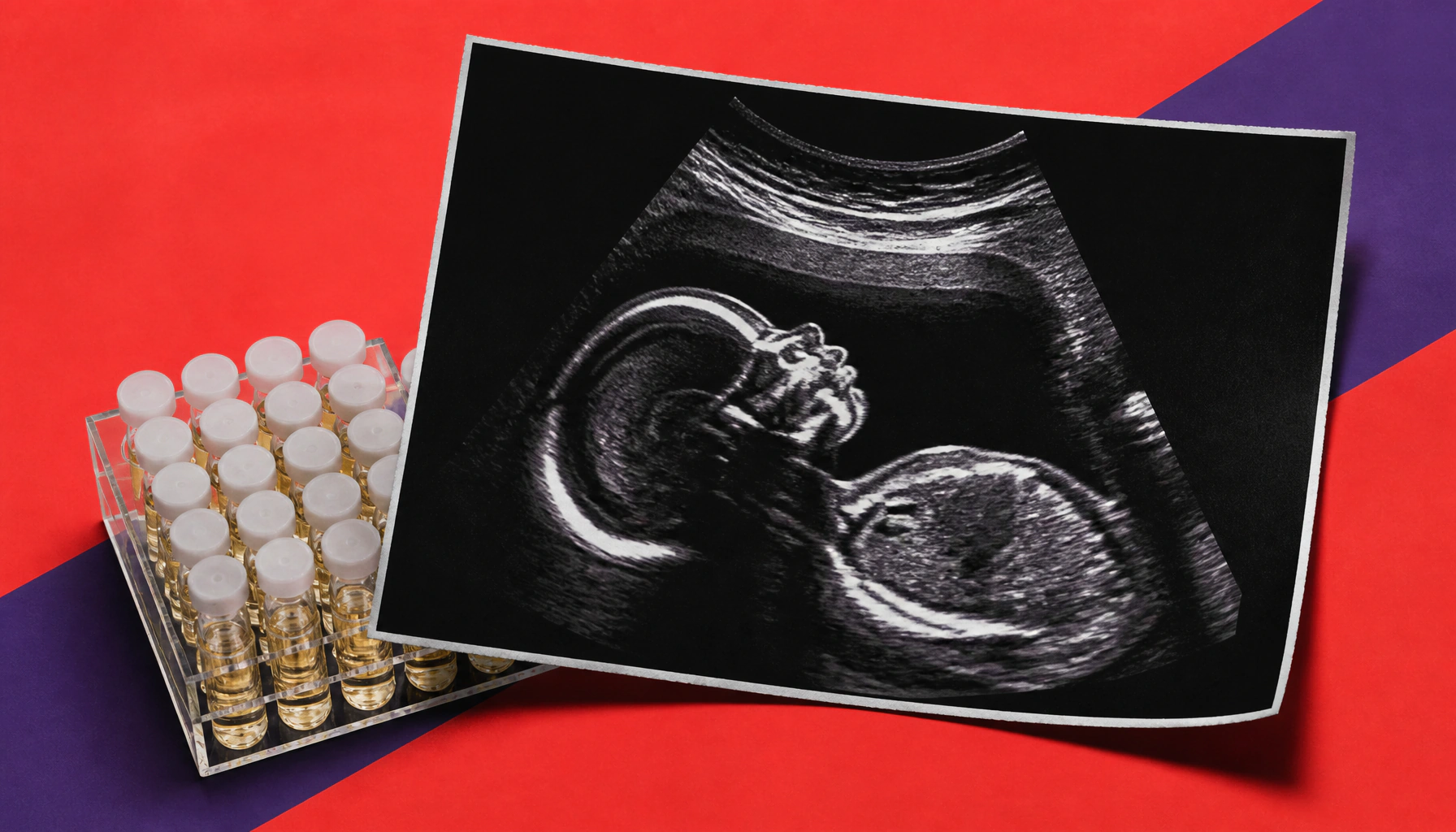
A sweeping new study published in JAMA Network Open has found that pregnant women are routinely exposed to dozens of chemicals hiding in plain sight — in food packaging, personal care products, household items, and even the air. Led by researchers at UNC Gillings School of Global Public Health and Stanford University, the study analyzed data from more than 5,000 mother-child pairs born between 2000 and 2021, testing for 113 chemicals commonly found in homes and the environment.
On average, each urine sample contained 45 different chemicals, with one sample containing as many as 64. Several of these — including phthalates, replacement plasticizers, and polycyclic aromatic hydrocarbons (PAHs) — were consistently linked to shorter pregnancies and lower birth weights. Notably, newer plasticizers introduced as "safer" alternatives to restricted phthalates showed similarly harmful effects, raising serious questions about how replacement chemicals are evaluated before reaching the market.
By the Numbers:
Why it matters: Even small reductions in birth weight or gestational age can have lasting health consequences for children. Researchers argue that individual action isn't enough — governments and companies must do more to eliminate harmful chemicals from everyday products and rigorously vet replacements before they reach consumers.