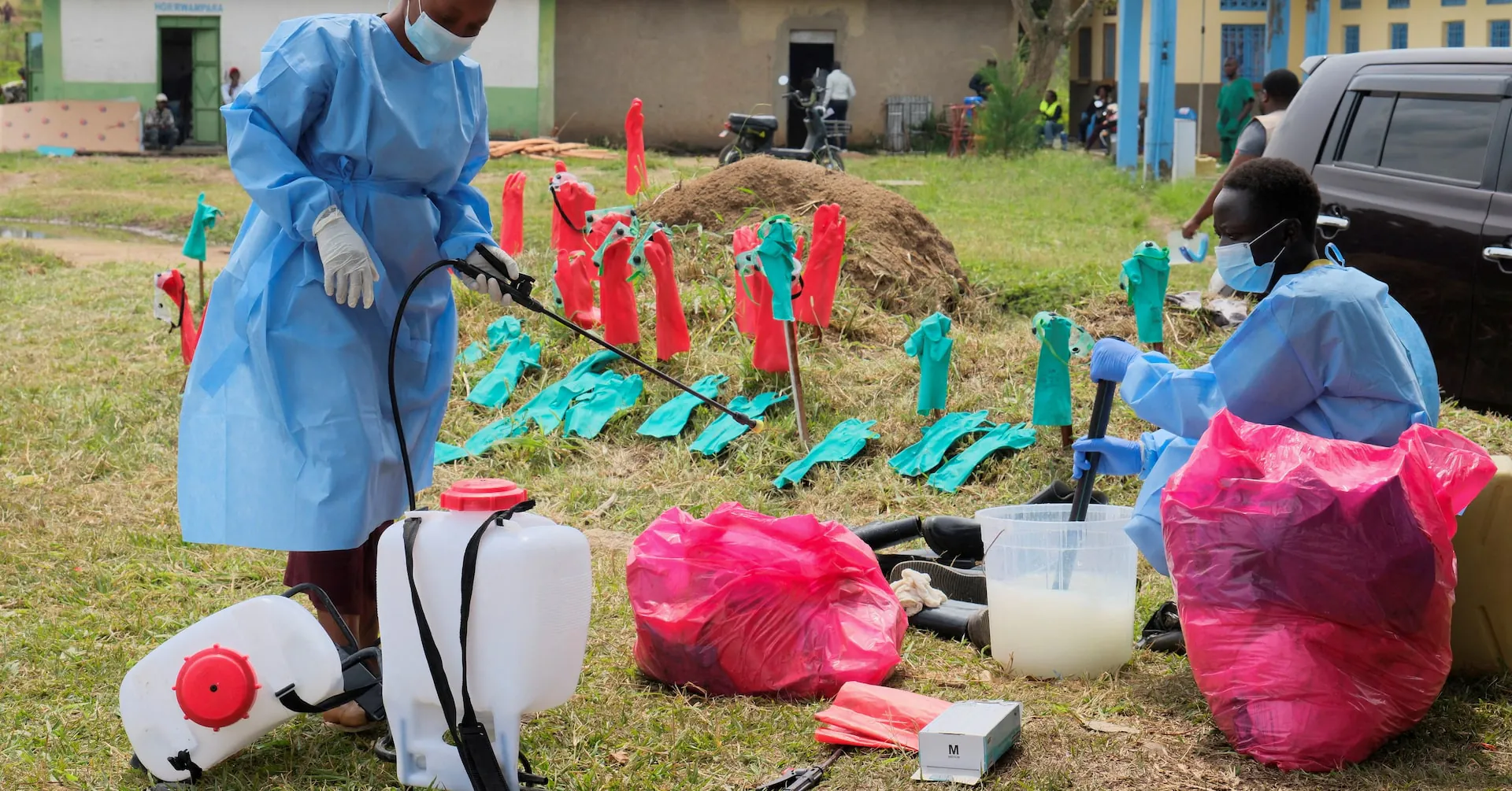
The Democratic Republic of Congo's Ebola outbreak has now reached 1,561 confirmed cases and 506 deaths, making it one of the deadliest episodes on record. The rare Bundibugyo strain has spread beyond Africa, with France confirming its first linked case in a doctor returning from a humanitarian mission. Health authorities are tracing contacts and say the risk to the broader European population remains low.
The Democratic Republic of Congo's ongoing Ebola outbreak has escalated sharply, with confirmed cases climbing to 1,561 and deaths reaching 506 as of July 6. Caused by the rare Bundibugyo strain, the outbreak was officially declared on May 15 — though experts believe the virus was circulating for months prior. It has already generated the largest number of confirmed cases within the first month of any Ebola episode in history, according to the WHO.
The outbreak has also crossed international borders. France confirmed its first linked case in late June — a doctor who returned from a humanitarian mission in Congo — marking a new phase of concern for European health authorities. A U.S. citizen treated for Ebola in Germany was discharged after testing clear of the virus. Contact tracing is underway in France, with officials stressing that the risk to the general European population remains low.
By the Numbers:
Why it matters: This outbreak's rapid spread — into urban areas, displacement camps, and now Europe — signals a heightened global containment challenge. Healthcare workers and international travelers remain at elevated risk, and the international spread underscores the need for robust surveillance and rapid response protocols.