New Jersey just signed a law charging employers a fee for each worker and dependent enrolled in Medicaid, aiming to offset rising state costs as federal policy changes threaten to shrink coverage. California, Colorado, Oregon, and Connecticut are eyeing similar moves. Business groups and some liberal policy organizations are pushing back, warning the fees could hurt low-income workers most.
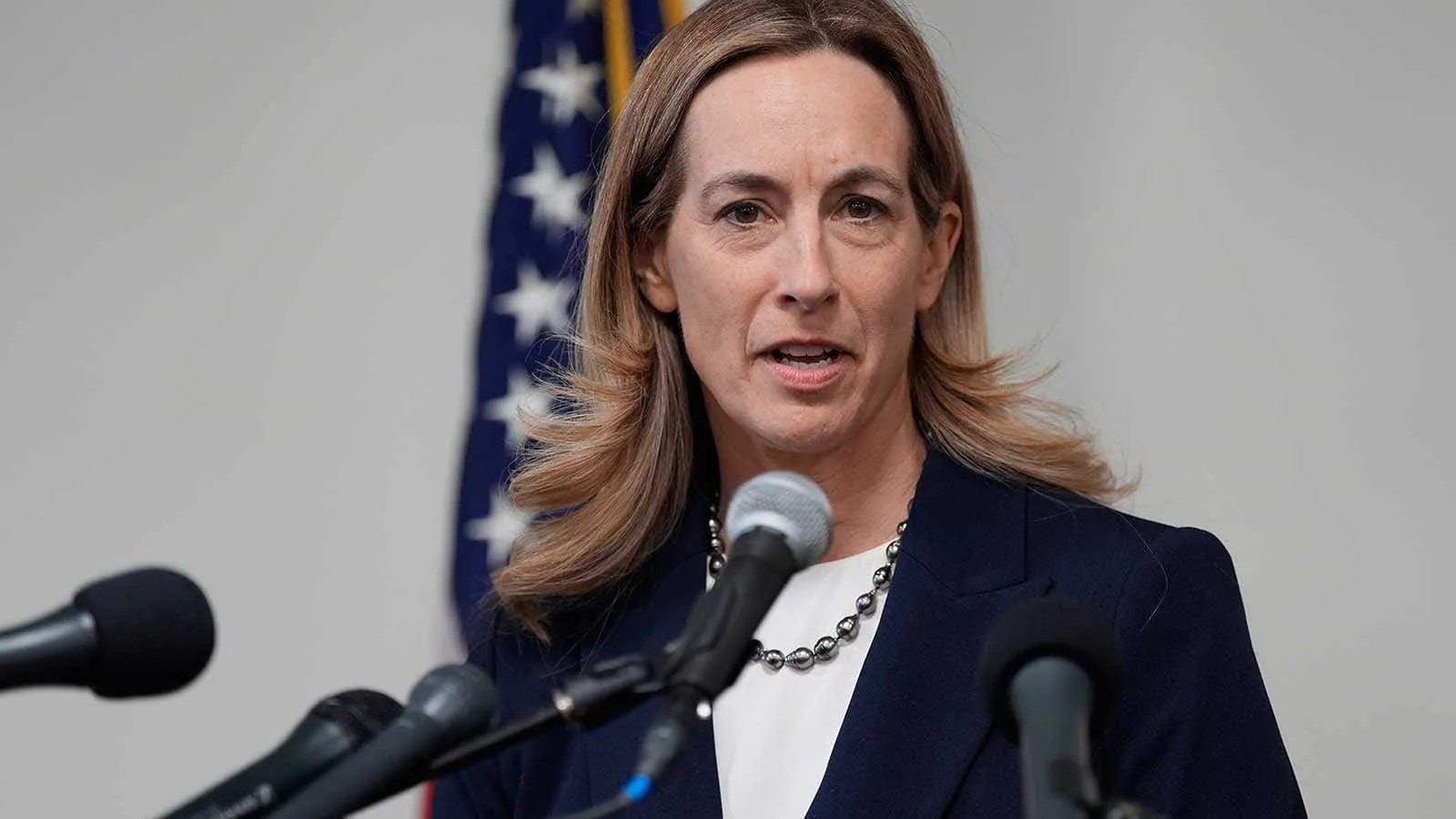
New Jersey Gov. Mikie Sherrill signed legislation charging employers with at least 50 Medicaid-enrolled workers a per-person annual fee — ranging from $325 to $725 depending on company size — with the state expecting to raise $145 million this year from the program. The move comes as federal Medicaid changes under the new Trump-era law are projected to leave more than 10 million Americans uninsured by 2034, forcing Democratic-led states to find new revenue streams.
California, Colorado, Oregon, Connecticut, and Washington are all considering or have advanced similar employer-fee proposals. Supporters argue it's an equity issue — small businesses that provide insurance are effectively subsidizing large employers who don't. Critics, including business groups and some left-leaning policy organizations, warn the fees could discourage hiring of low-income workers or push employers to avoid states with such policies.
Key Takeaways:
Why it matters: As federal Medicaid funding tightens, states are getting creative — but the employer-fee approach carries real risks for the low-income workers it's meant to protect, making this a policy debate with major implications for healthcare access and workforce dynamics.