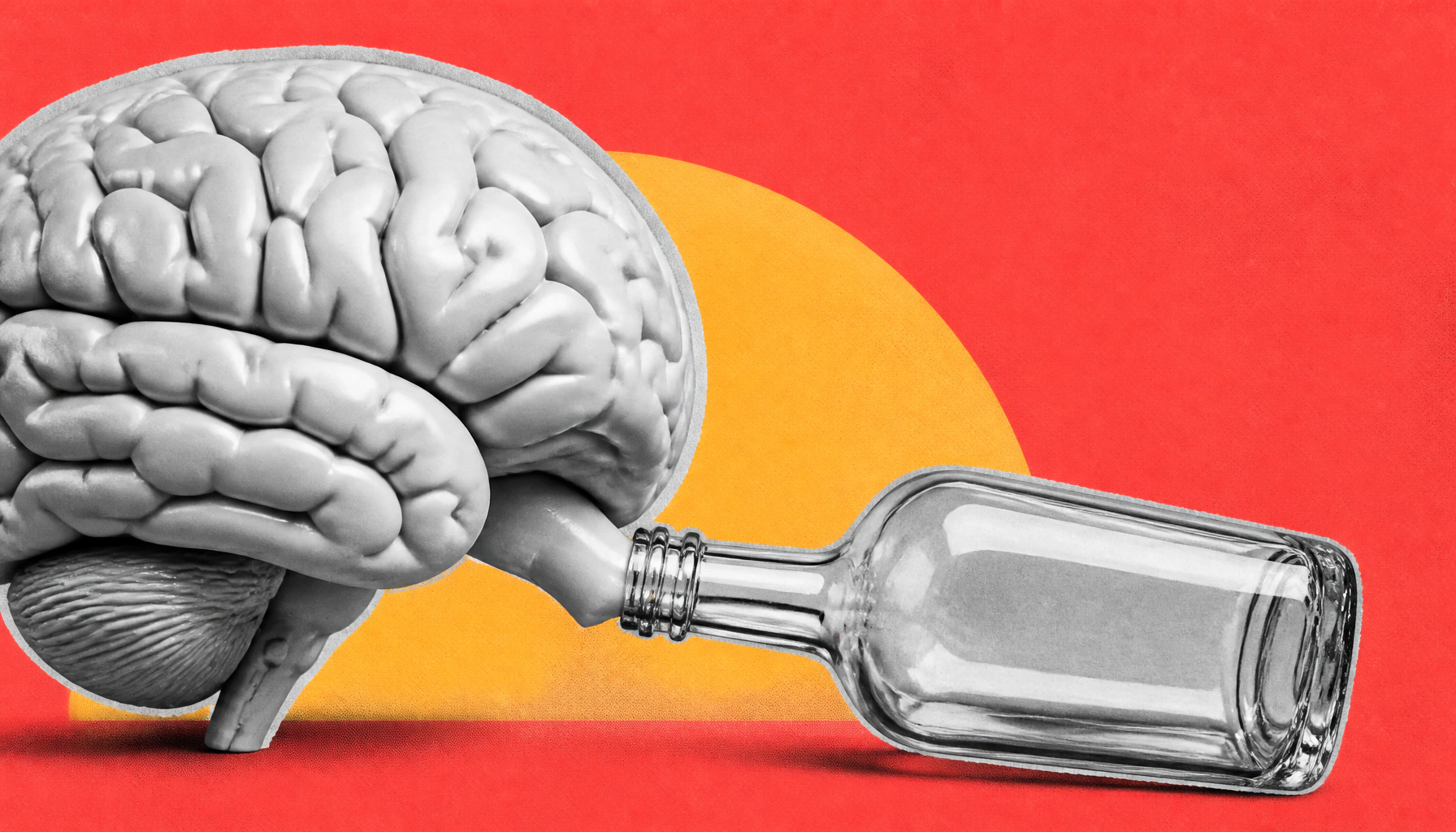
Using alcohol to cope with stress when young could leave lasting marks on the brain — even after years of sobriety. New research from UMass Amherst found that this combination reduces cognitive flexibility, increases the risk of relapse, and causes brain damage linked to early dementia and Alzheimer's disease. The effects appear to persist well into middle age.
Reaching for a drink to take the edge off stress in your 20s might seem harmless, but new research suggests it could reshape your brain in ways that last decades. A study from the University of Massachusetts Amherst, published in Alcohol, Clinical and Experimental Research, found that combining alcohol use with chronic stress during early adulthood leads to lasting neurological changes — even after prolonged abstinence. By middle age, these changes manifest as reduced cognitive flexibility, a greater tendency to relapse under stress, and patterns of cognitive decline resembling early dementia.
The researchers focused on the locus coeruleus (LC), a brainstem region critical for adaptive decision-making. In mice exposed to both alcohol and chronic stress, the LC lost its ability to "switch off" after stressful events and showed high levels of oxidative stress — a type of cellular damage commonly seen in Alzheimer's disease. Crucially, this damage showed little sign of repair even after long periods of sobriety.
Key Takeaways:
Why it matters: This research reframes alcohol use disorder as a neurological issue, not a willpower problem. For clinicians, it highlights the need for treatments that target persistent brain circuit damage — especially in patients with a history of stress-driven drinking early in life.