West Nile virus season is hitting harder and earlier than usual, with the CDC confirming at least 48 cases by the end of June — nearly five times the decade-long average for that point in the year. Most cases are concentrated in Arizona, particularly Maricopa County, which has already recorded four deaths. Officials are urging people to use DEET, wear protective clothing, and eliminate standing water ahead of the Fourth of July holiday.
West Nile virus is making an unusually aggressive early appearance this summer. The CDC confirmed at least 48 cases — 38 of them severe — as of June 30, compared to an average of just ~10 cases reported by that date since 2004. Twenty-three states have already detected the virus, the most in a decade, with Arizona bearing the brunt: 32 of the 48 cases are from the state, and Maricopa County alone has logged four deaths.
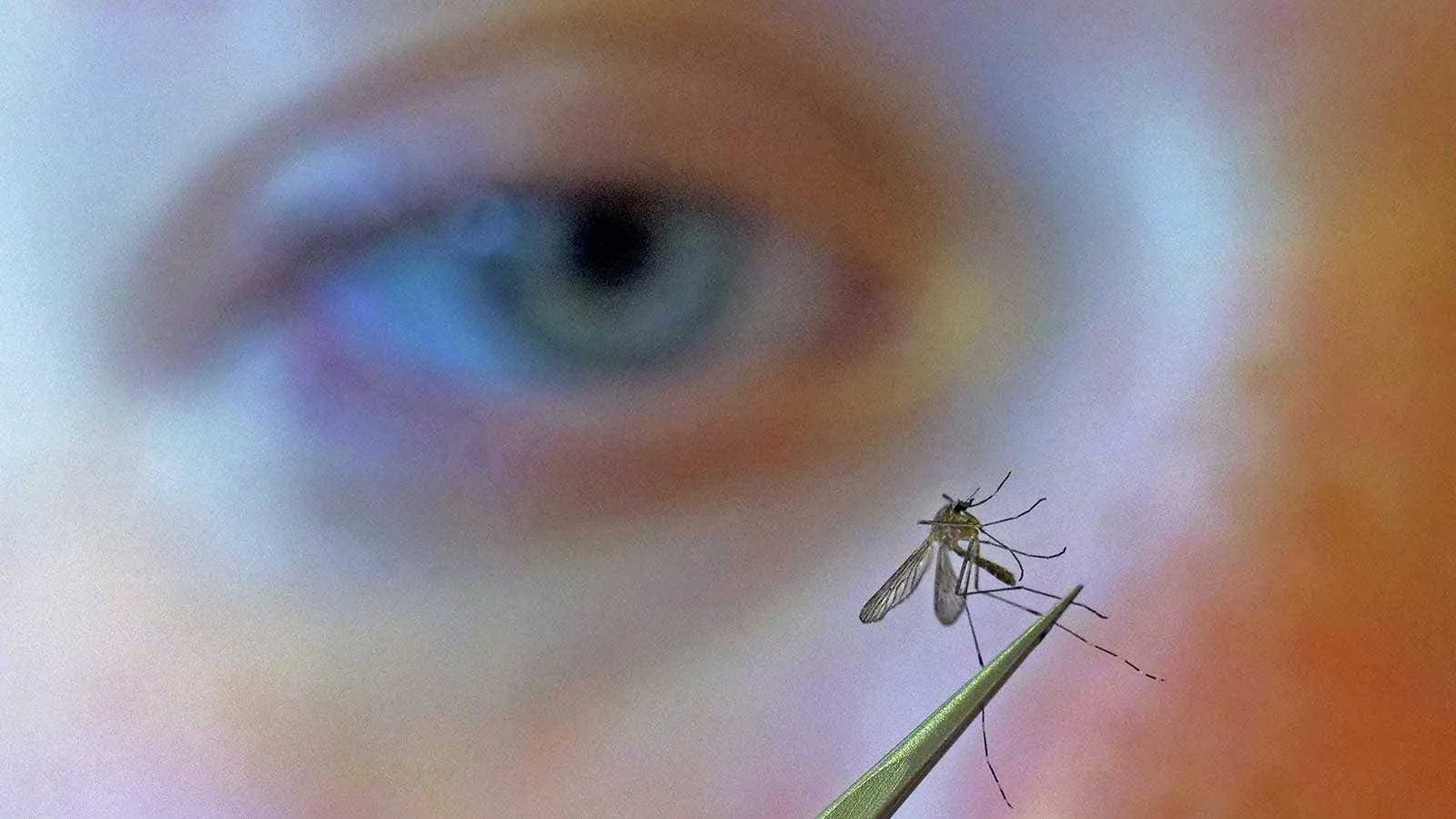
Health officials are urging the public to take simple but effective precautions as outdoor gatherings ramp up for the holiday weekend. Recommendations include using bug repellents containing DEET, wearing long loose-fitting clothing, avoiding outdoor activity at dusk and dawn when mosquitoes are most active, and eliminating standing water — even something as small as an overturned bottle cap can serve as a breeding ground.
By the Numbers:
Why it matters: West Nile virus has no vaccine or specific treatment, making prevention the only line of defense. With the season starting at a record-breaking pace, public awareness and mosquito-control efforts are critical — especially for adults over 60 and immunocompromised individuals, who face the highest risk of life-threatening complications.