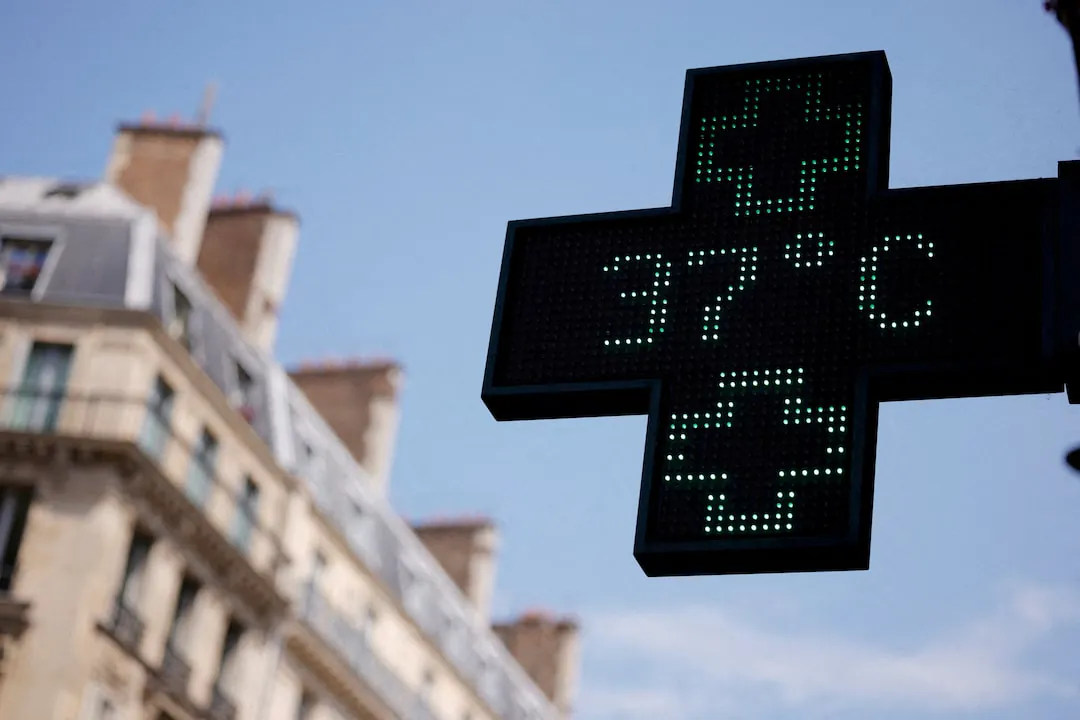
Europe's deadly June heatwave has claimed at least 3,700 excess lives across France, Belgium, and the Netherlands, with officials warning the final count will be higher. The heat event — described as the worst ever recorded in Europe — disproportionately hit older adults and overwhelmed healthcare systems. Climate change was identified as the near-certain driver behind the extreme temperatures.
Europe's worst-ever recorded heatwave, which gripped the continent from roughly June 20–28, has left a devastating death toll in its wake. France, Belgium, and the Netherlands have collectively reported at least 3,700 excess deaths, though health authorities across all three countries caution that preliminary figures are likely an undercount — and the true toll will be higher.
Older adults bore the brunt of the crisis. In France, deaths at home surged 91% during the peak week, while nursing homes and healthcare facilities also saw sharp increases. Belgium called its excess mortality "unprecedented," and the Netherlands reported deaths concentrated mainly among those over 80. Scientists have attributed the extreme heat almost certainly to climate change.
By the Numbers:
Why it matters: This heatwave is a stark reminder of how climate-driven extreme weather events translate directly into healthcare crises — overwhelming systems, spiking mortality, and hitting vulnerable populations hardest. For health systems and policymakers, it underscores the urgent need for heat preparedness strategies, especially for elderly and at-risk communities.