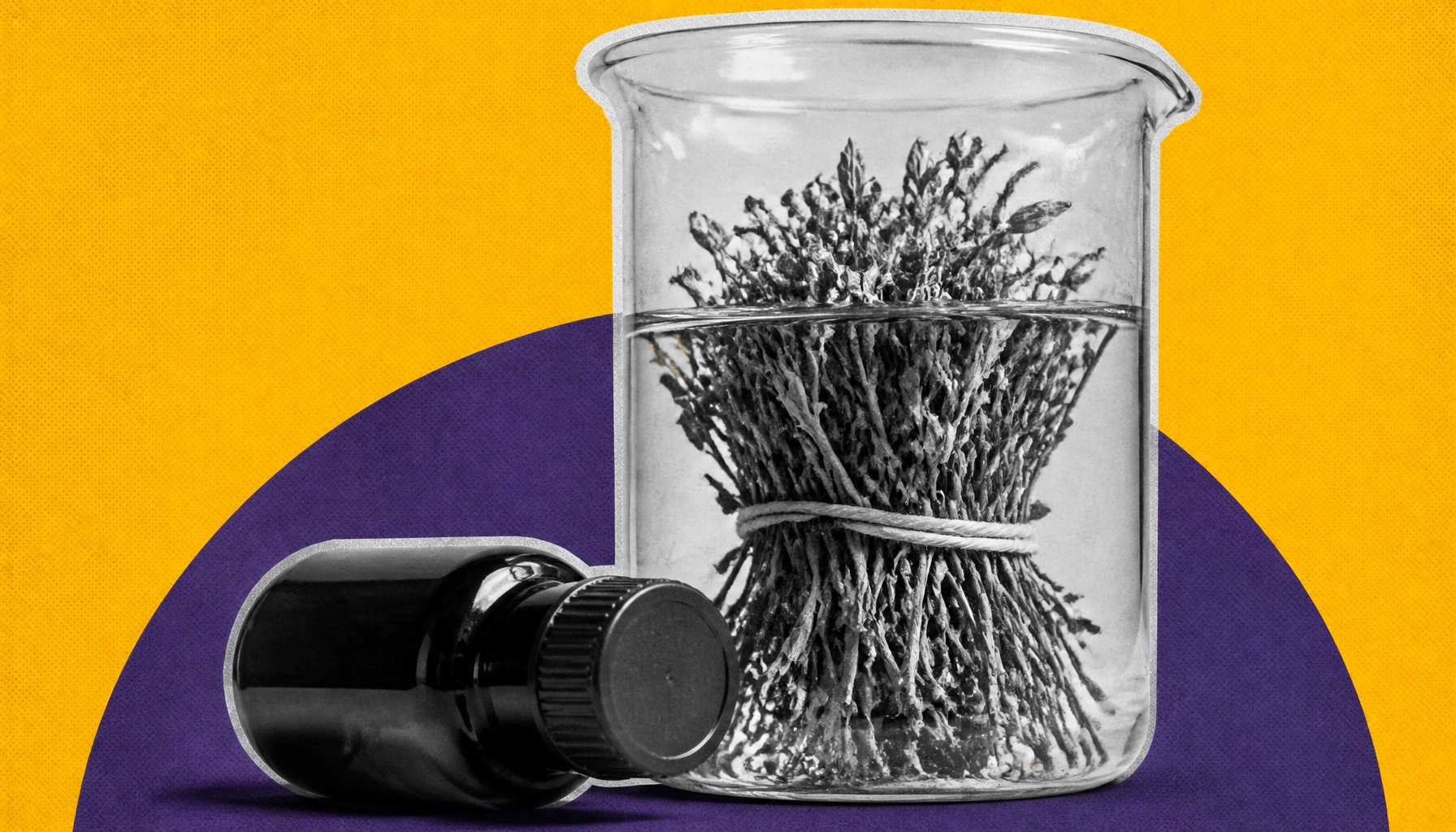
The way herbal medicines are made could determine whether they actually work. A new study found that a plant microRNA in honeysuckle with antiviral properties is largely destroyed by modern ethanol-based processing, while traditional water decoction keeps it intact. The findings suggest that current quality standards for botanical medicines may be missing a key layer of biological activity.
It turns out the ancient art of brewing herbal tea might be onto something that modern manufacturing has been inadvertently undoing. A new study published in Signal Transduction and Targeted Therapy found that MIR2911 — a plant microRNA found in honeysuckle with demonstrated antiviral activity against Japanese encephalitis virus (JEV) — is largely wiped out by ethanol-based extraction methods commonly used in modern herbal medicine production, while traditional water decoction preserves it.
The researchers showed that MIR2911 works by directly targeting the JEV genome and requires AGO2, a key component of the microRNA silencing pathway, to suppress viral replication. They also confirmed that after healthy volunteers drank honeysuckle decoction, serum exosomes containing MIR2911 could still suppress JEV in lab experiments — suggesting the RNA survives oral delivery.
By the Numbers:
Why it matters: This study challenges the assumption that herbal medicines only work through small chemical molecules. If functional RNA components are being inadvertently removed during manufacturing, current quality control systems — built around chemical markers — may be missing a biologically active layer, with real implications for how botanical medicines are produced and regulated.