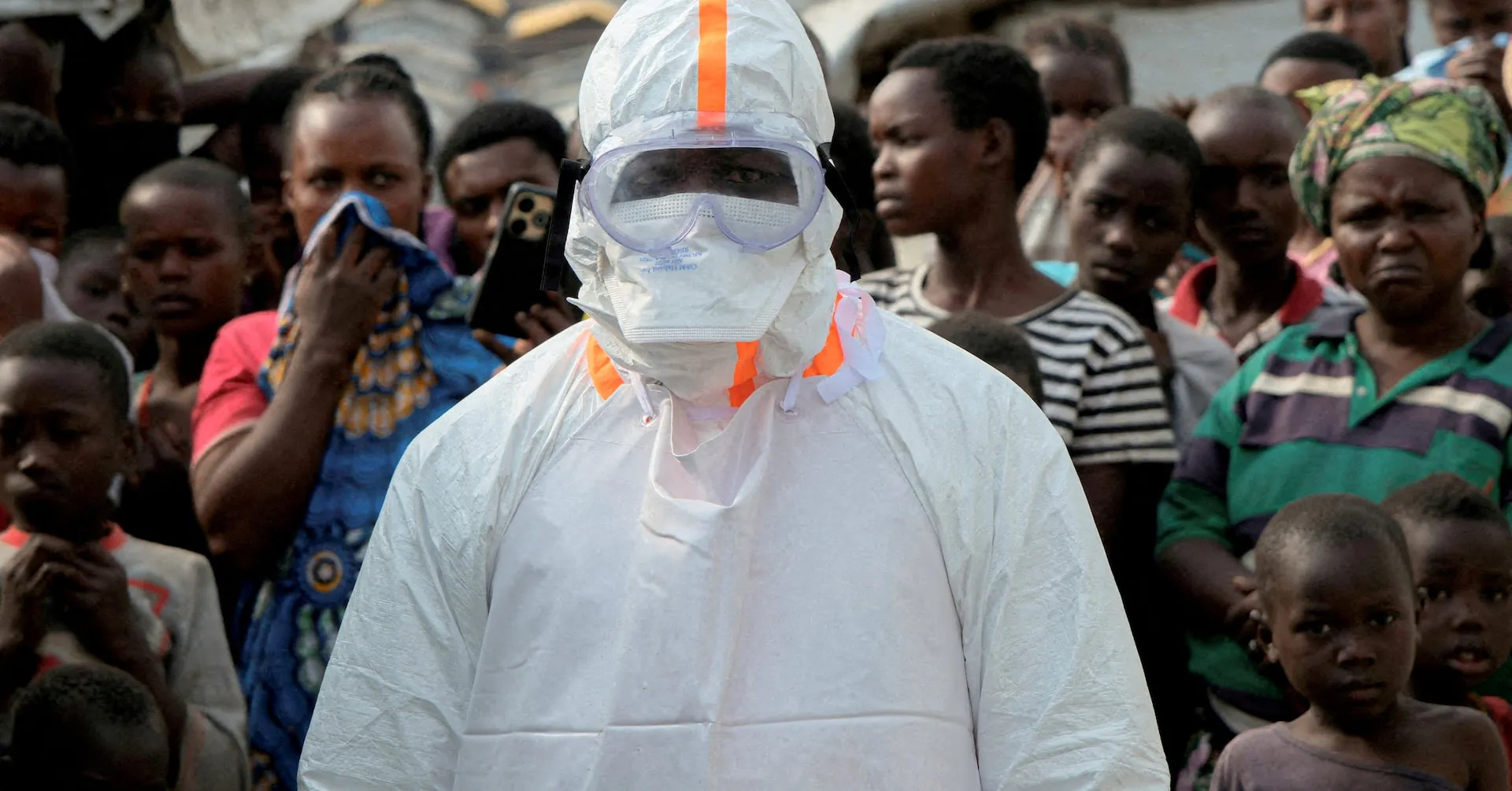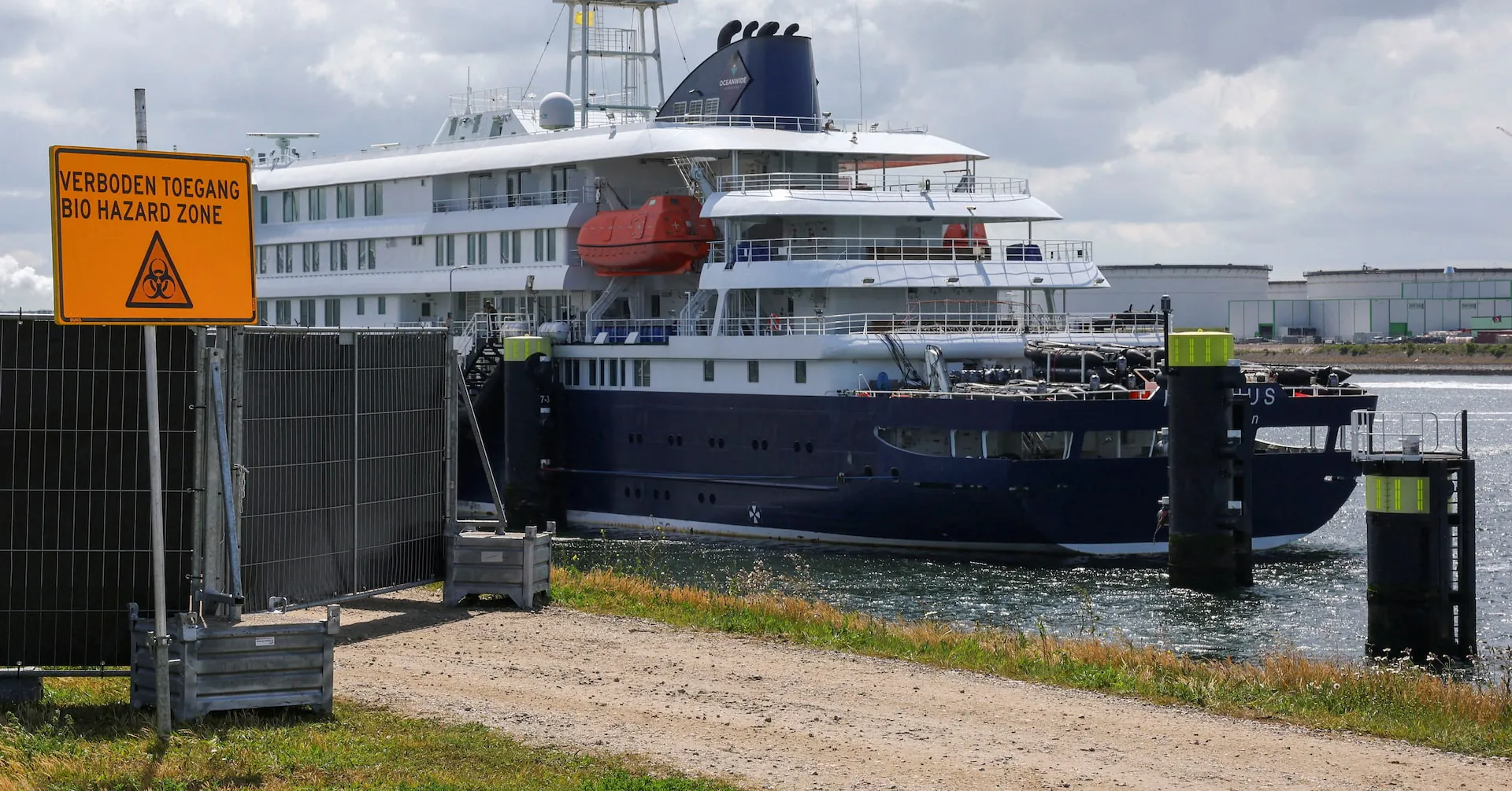
It's officially over. The WHO declared the hantavirus outbreak linked to the cruise ship MV Hondius closed after the last exposed contact completed quarantine and tested negative. The two-month ordeal — the first-ever ship-borne hantavirus outbreak — infected 13 people and killed three, involving the rare Andes virus strain that typically circulates in Argentina and Chile.
The World Health Organization has officially declared the hantavirus outbreak linked to the luxury cruise ship MV Hondius over, after the last identified contact of an exposed person completed their 42-day quarantine and tested negative for the virus. The outbreak — the first ever recorded on a cruise ship — began after the MV Hondius departed Argentina on April 1, 2026, carrying around 150 passengers and crew from 23 countries on a polar expedition.
The outbreak involved the Andes virus, a rare hantavirus strain endemic to Argentina and Chile and the only known hantavirus capable of person-to-person transmission. Cases were confirmed across multiple countries, including Spain, Canada, France, the Netherlands, and Switzerland, triggering a massive international response involving the WHO, the EU, and health agencies worldwide. Passengers were evacuated to Tenerife, Spain, before being repatriated to their home countries under strict infection-control protocols, while the ship sailed to Rotterdam for disinfection.
By the Numbers:
Why it matters: This outbreak tested global health systems' post-COVID communications and response playbooks in real time. With no approved antivirals or vaccines for Andes virus, the successful containment through isolation, contact tracing, and quarantine offers a key blueprint for managing future rare but deadly emerging infectious disease events.