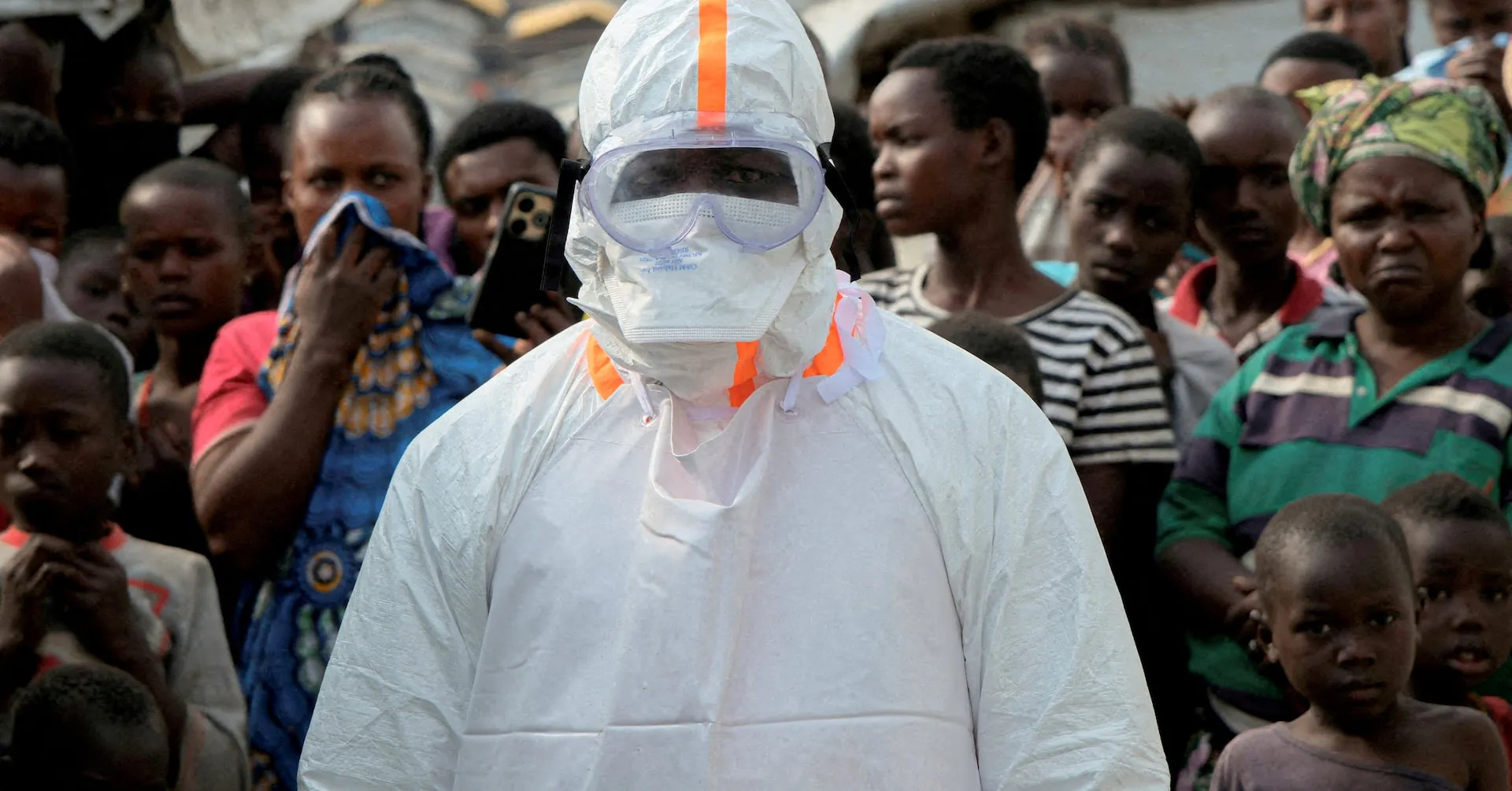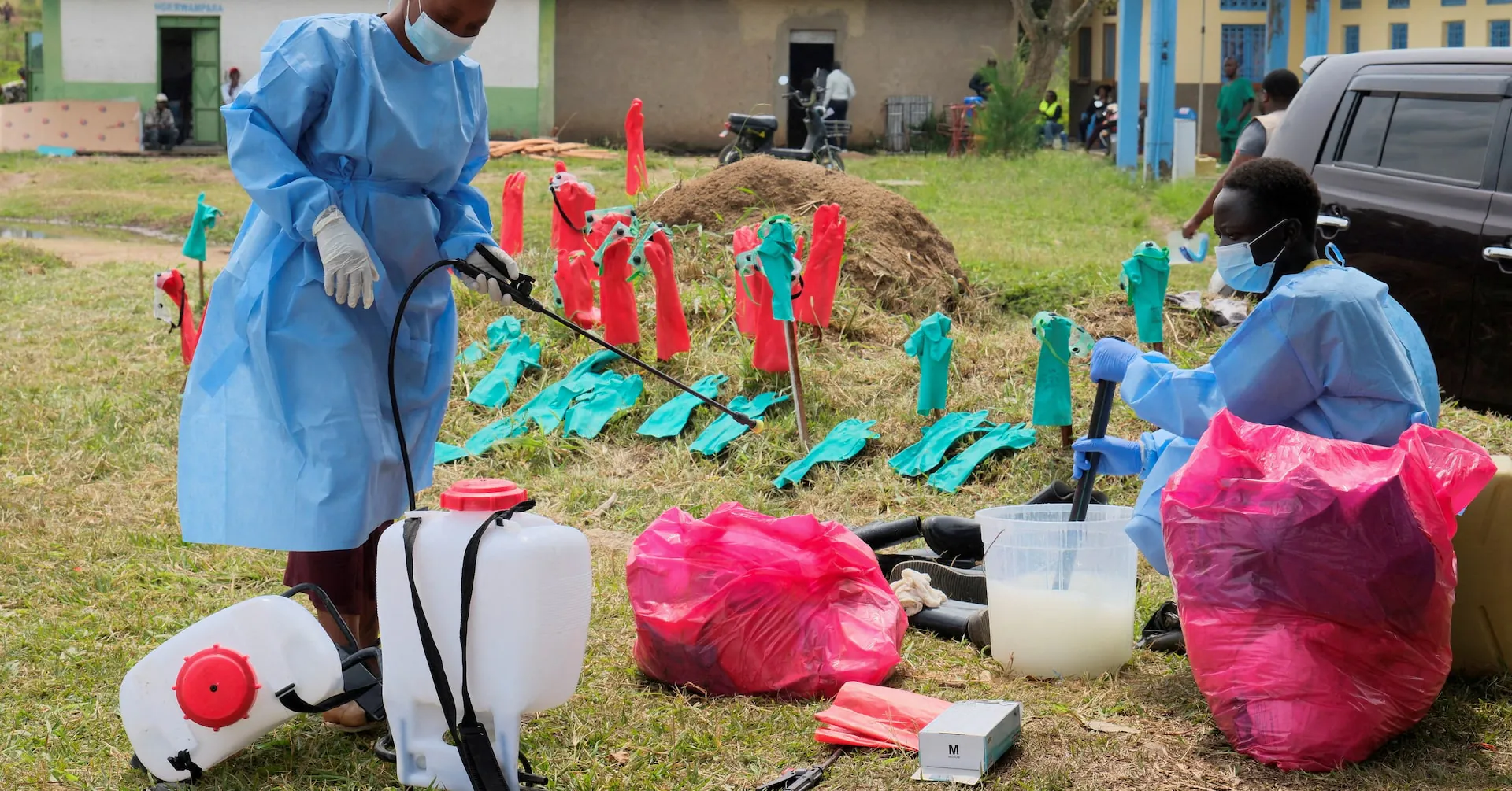
The fight against the Bundibugyo Ebola outbreak just hit a major milestone. The first patient has been enrolled in a clinical trial evaluating experimental treatments in the DRC, where over 1,400 cases and 438 deaths have been recorded. The trial will test Mapp Biopharmaceutical's MBP134 antibody — alone and in combination with Gilead's remdesivir — across more than 1,000 patients.
The fight against the Bundibugyo Ebola outbreak just hit a major milestone. The first patient has been enrolled in a clinical trial in the Democratic Republic of Congo (DRC), marking a significant step forward in efforts to combat a strain of Ebola for which no approved vaccines or treatments currently exist. WHO Director-General Dr. Tedros Adhanom Ghebreyesus announced the development, while also flagging ongoing challenges — including a deadly attack on an Ebola treatment center in Ituri province that killed two people.
The trial, sponsored by the WHO and led by the University of Oxford alongside the Congolese and Ugandan governments, will evaluate Mapp Biopharmaceutical's experimental MBP134 monoclonal antibody as a standalone treatment and in combination with Gilead Sciences' antiviral remdesivir. Gilead has donated over 4,000 vials of remdesivir in total, and the U.S. — which stockpiled MBP134 through a longstanding BARDA partnership — has been a key supplier. The WHO is in active discussions with both parties to ensure post-trial drug access if the treatments prove safe and effective.
By the numbers:
Why it matters: With no approved treatments or vaccines for the Bundibugyo strain, this trial is the most critical tool available to generate evidence-based therapies. Success could fast-track regulatory approval and set a precedent for equitable access to publicly funded medical countermeasures in future outbreaks.