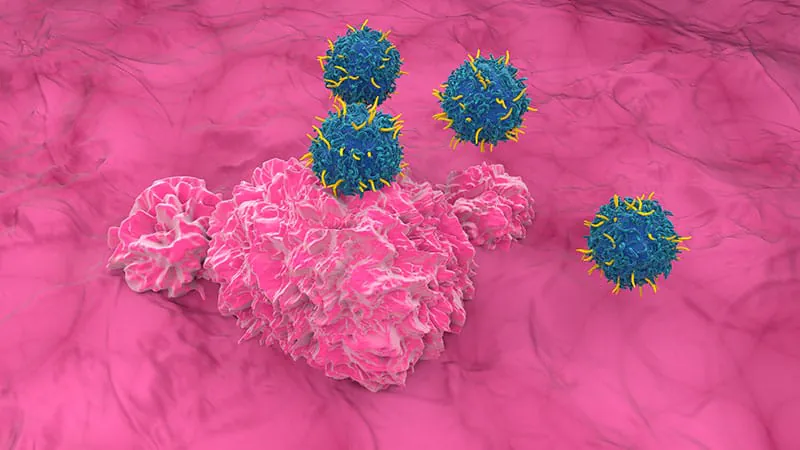
CAR T-cell therapy, already a game-changer in blood cancers, is closing in on its first-ever approval for autoimmune diseases — and dermatology is front and center. Experts say the therapy works by "resetting" the immune system, with some patients achieving remission off all medications for up to 44 months. Systemic lupus erythematosus (SLE) is the leading candidate for the first indication, with skin diseases like pemphigus vulgaris and dermatomyositis likely to follow.
CAR T-cell therapy, already a game-changer in blood cancers, is now closing in on its first-ever approval for autoimmune diseases — and dermatology is front and center. Speaking at the Annual Atlantic Derm Conference, Columbia University's Dr. Aimee Payne highlighted a wave of clinical data showing remarkable efficacy in conditions like systemic lupus erythematosus (SLE), pemphigus vulgaris, and dermatomyositis, with an FDA approval potentially coming as soon as 2026.
The therapy works by engineering T cells to target and eliminate autoreactive immune cells, effectively "resetting" the immune system. Early trials have shown rapid responses — SLEDAI scores dropping within days of infusion — and some patients have remained symptom-free off all medications for nearly four years. Encouragingly, some protocols are now exploring whether the risky lymphodepletion step (standard in cancer treatment) can be skipped entirely for autoimmune indications.
Key Takeaways:
Why it matters: If approved, this would mark a historic expansion of CAR T-cell therapy beyond oncology, offering a potential long-term remission — not just management — for patients with severe, treatment-resistant autoimmune and skin diseases. Challenges around cost, accessibility, and long-term safety still need to be addressed before widespread adoption.