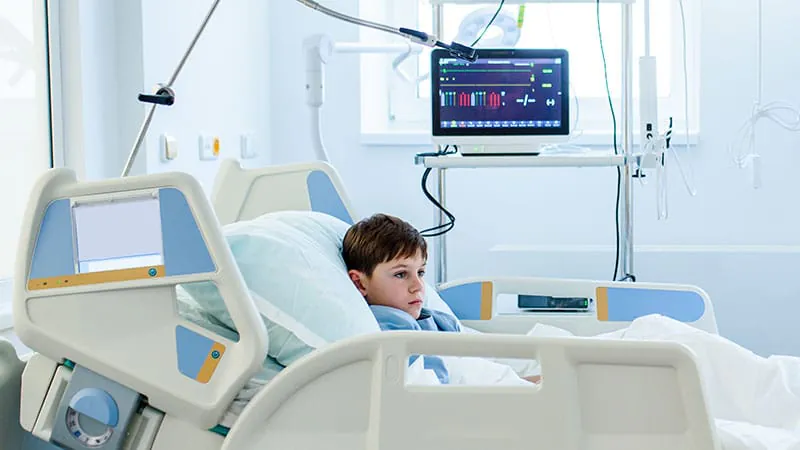
A modified enhanced recovery after surgery (ERAS) protocol helped children with complicated appendicitis get home nearly two days sooner — without any extra complications. The randomized trial, conducted in a Mexican public hospital, shows that even resource-limited settings can benefit from streamlined perioperative care. Experts say the findings make a strong case for wider ERAS adoption across Latin America's public health sector.
A randomized clinical trial published in Pediatric Surgery International found that a modified ERAS protocol significantly shortened postoperative hospital stays for children undergoing open appendectomy for complicated acute appendicitis — and did so without raising complication rates. The study, conducted at a Mexican public hospital, enrolled 40 children with a mean age of 8 years, 85% of whom had a perforated appendix.
The ERAS group followed a structured 3-day protocol featuring early oral feeding (starting 6 hours post-op), targeted IV antibiotics, and antiemetic support, before transitioning to oral antibiotics at discharge. The conventional care group stayed 5 days and began oral feeding only after bowel function returned. Both groups had identical 30-day complication rates, with minor events like seromas and wound infections.
By the Numbers:
Why it matters: In resource-constrained public hospitals, shorter stays mean more available beds, lower infection risk, and faster recovery for kids. Experts argue that ERAS isn't just a clinical win — it's a smart systems-level strategy that health policymakers in Latin America and beyond should actively promote.