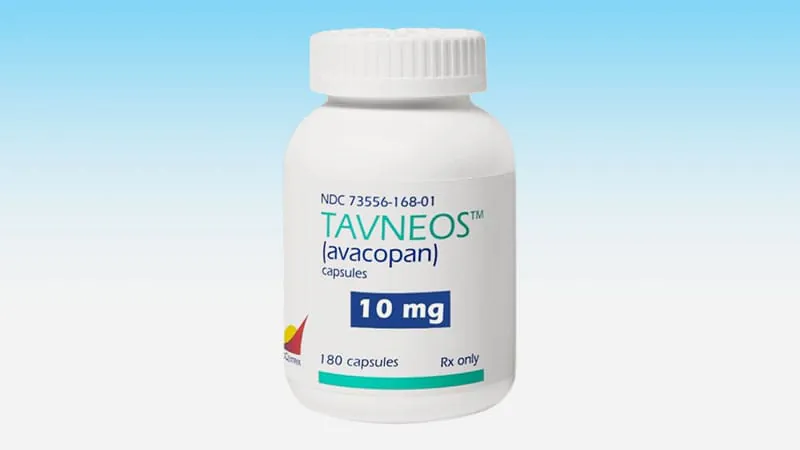
Amgen is fighting to keep avacopan (Tavneos) on the market after the FDA moved to withdraw its 2021 approval, alleging that employees of the drug's original manufacturer manipulated clinical trial data to produce statistically significant results. The New England Journal of Medicine has since retracted the pivotal ADVOCATE study, and Europe's drug regulator has already recommended pulling the drug. Amgen now has until July 29 to formally respond.
Amgen is in a high-stakes battle to preserve its rare autoimmune disease drug avacopan (Tavneos) after the FDA proposed withdrawing its 2021 approval. The agency alleges that employees of original manufacturer ChemoCentryx manipulated data in the sole clinical trial used to establish the drug's effectiveness. Specifically, unblinded personnel selectively re-adjudicated nine patients' outcomes in the phase 3 ADVOCATE study — after the initial analysis failed to show statistical significance — to make the drug appear effective. The New England Journal of Medicine retracted its 2021 publication of the ADVOCATE results on June 29, citing the unauthorized post-unblinding re-adjudications. Amgen, which acquired ChemoCentryx for ~$3.8 billion in 2022, has been granted an extension to respond to the FDA's withdrawal request until July 29, 2026.
Beyond the efficacy dispute, safety concerns are mounting. The FDA flagged 76 post-marketing cases of drug-induced liver injury linked to avacopan, including 7 cases of vanishing bile duct syndrome (VBDS), with 8 fatal outcomes overall. Europe's EMA has already recommended removing the drug from the market. Amgen maintains the drug's benefits outweigh its risks for patients with this rare, serious condition that has few treatment alternatives.
By the Numbers:
Why it matters: This case raises serious questions about clinical trial integrity and the drug approval process. For clinicians prescribing avacopan, both the FDA and EMA are urging caution — patients currently on the drug should discuss risks and alternative treatment options with their physicians.