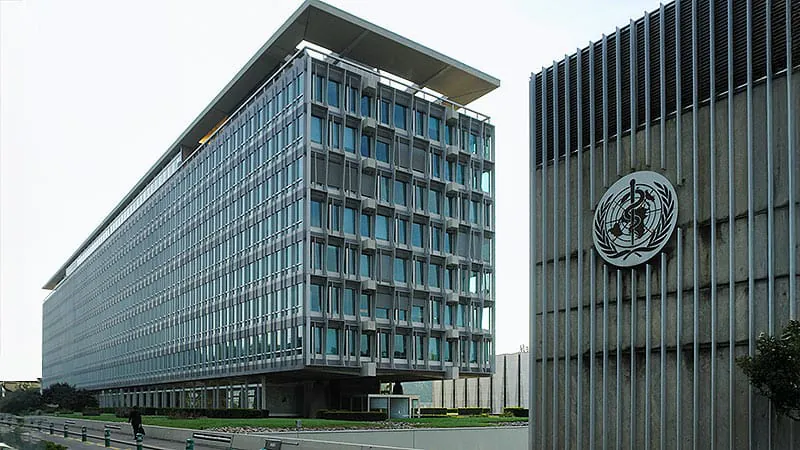
Active Ebola and hantavirus outbreaks are putting the WHO's stretched resources to the test. With the US and Argentina having withdrawn and global funding slashed by 40%, the world's top health coordinating body is operating under serious strain. Experts warn that without a ratified Pandemic Agreement and adequate funding, the next major outbreak could be far harder to contain.
Two high-profile infectious disease outbreaks — a Bundibugyo Ebola virus (BDBV) epidemic in the Democratic Republic of the Congo and Uganda, and an Andes hantavirus cluster aboard the cruise ship MV Hondius — are highlighting just how critical WHO coordination is when deadly pathogens cross borders. Both viruses carry case fatality rates of up to 40–50% and are capable of person-to-person transmission, fueling public alarm. So far, containment efforts have held, but experts caution that the situation remains fragile.
The outbreaks are unfolding at a moment of acute financial and political pressure on the WHO. The US withdrew in January 2026, Argentina followed in March, and major donors like Germany, France, and the UK have sharply cut contributions — resulting in a 40% funding shortfall. The WHO's unratified Pandemic Agreement, stalled over a "Pathogen Access and Benefit-Sharing" annex, is further limiting the organization's ability to respond swiftly.
By the Numbers:
Why it matters: These outbreaks are a stress test for a global health system already under strain. Without a fully funded, empowered WHO and a ratified Pandemic Agreement, the world's ability to detect, coordinate, and contain the next major outbreak is genuinely at risk.