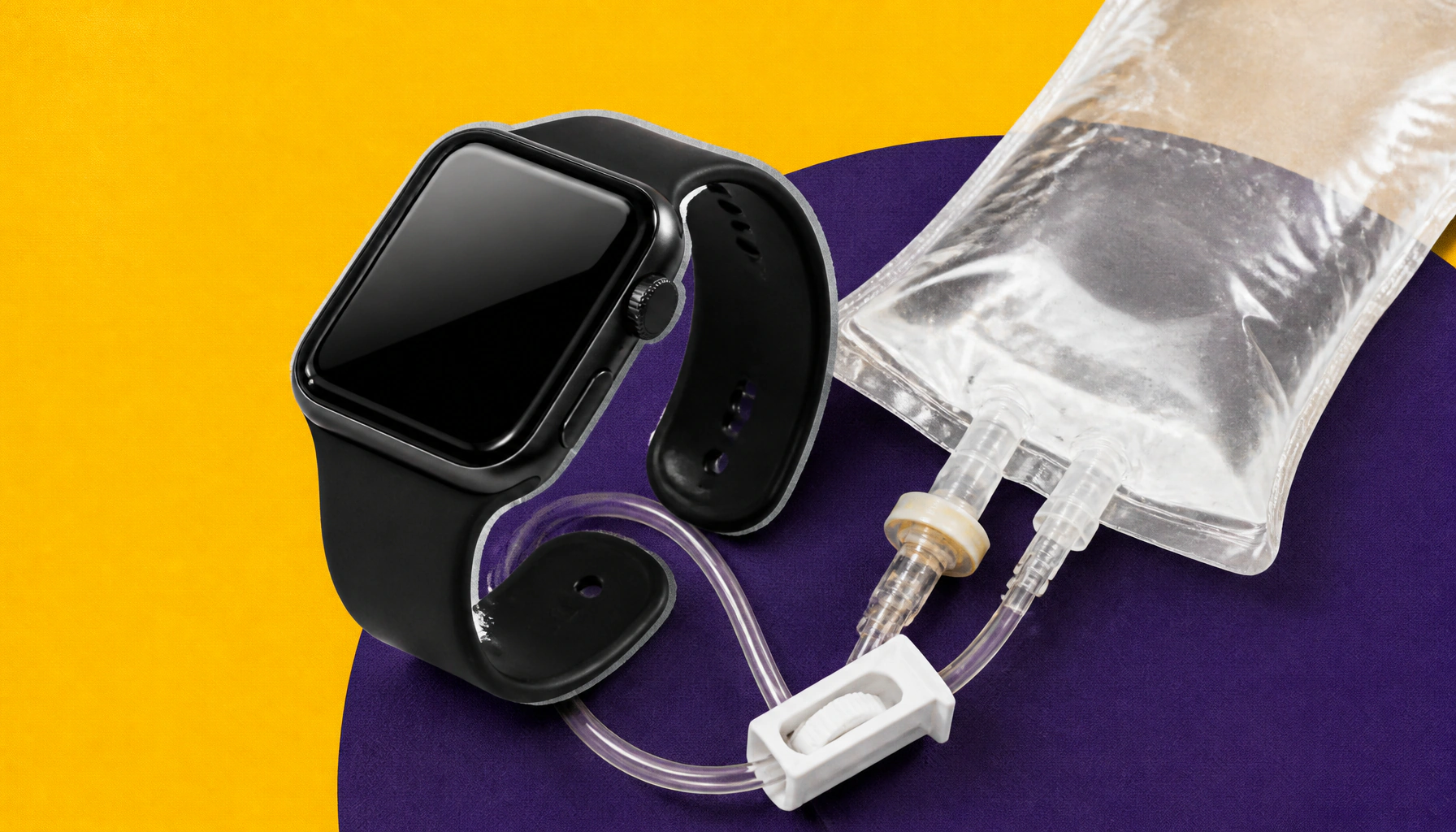
Wearable devices detected cytokine release syndrome (CRS) — a serious CAR-T side effect — a full 7 hours before standard hospital monitoring in a pilot study of multiple myeloma patients. The findings could pave the way for outpatient CAR-T delivery, slashing costs and expanding access to a therapy that only 20% of eligible patients currently receive.
CAR-T cell therapy is a game-changer for blood cancers, but its requirement for 10–14 day hospital stays has kept it out of reach for most eligible patients. Now, a pilot study from Mount Sinai suggests wearable devices could change that — by detecting cytokine release syndrome (CRS), a potentially life-threatening inflammatory complication, hours before clinical staff would normally catch it.
Researchers enrolled 30 multiple myeloma patients undergoing CAR-T therapy and fitted them with wearables that continuously tracked temperature, heart rate, breathing rate, oxygen levels, and motion. The best-performing model identified 90% of CRS episodes and flagged them a median 7 hours earlier than standard nursing assessments. Interferon gamma emerged as a reliable blood biomarker, with a doubling of its value consistently predicting CRS onset — and existing interferon gamma blockers could potentially be used to interrupt the downstream cytokine cascade.
By the Numbers:
Why it matters: Earlier CRS detection could allow patients to recover in nearby accommodations rather than hospital beds, dramatically cutting costs and enabling community oncology centers to offer CAR-T — potentially reaching the 80% of eligible patients who currently go untreated.