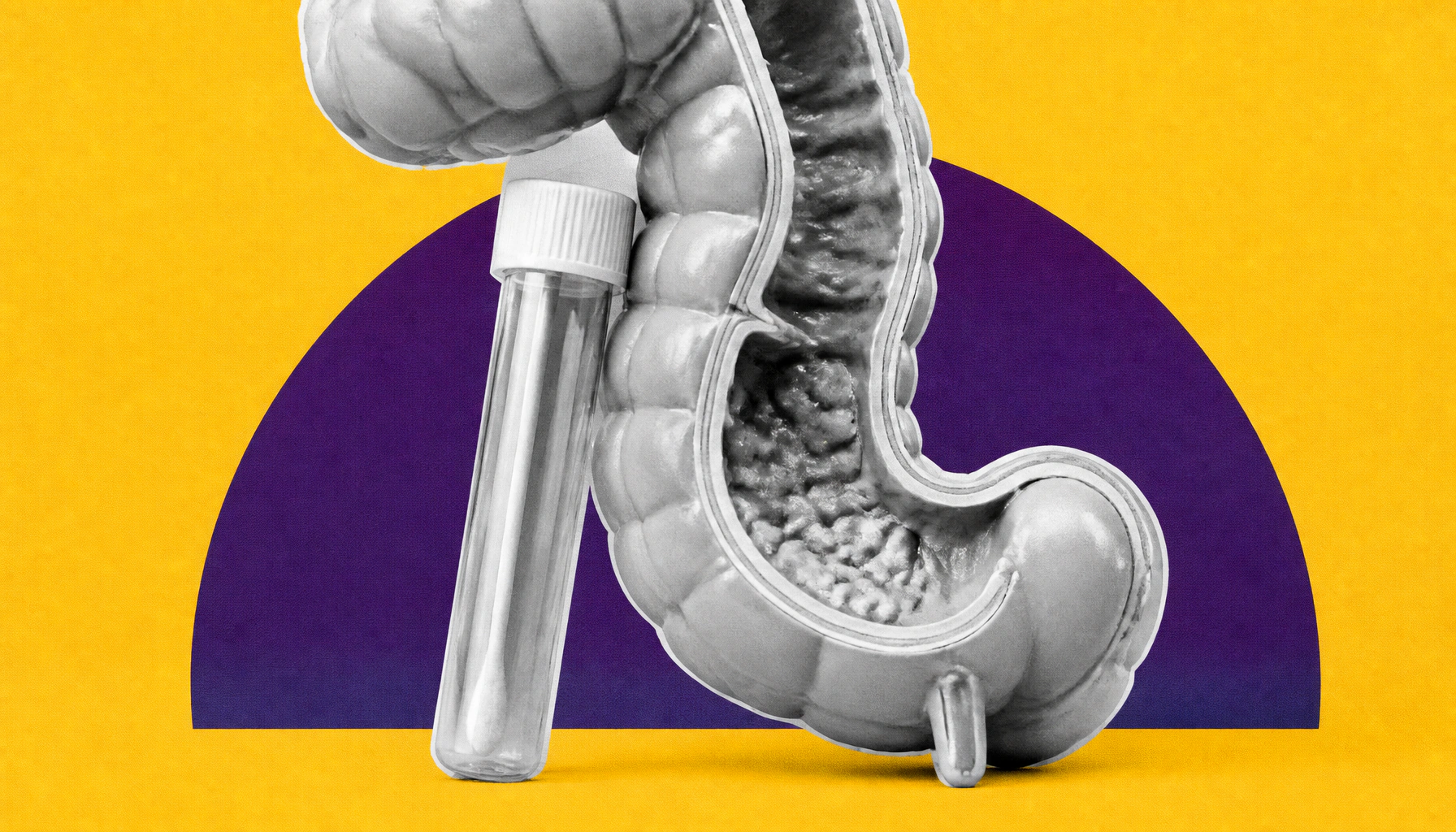
A genetic variant called HLA-DRB1*01:03 is linked to worse outcomes in both Crohn's disease and ulcerative colitis, including earlier surgery, perianal complications, and faster escalation to advanced therapies. The finding — from the largest genetic study of IBD traits to date — raises the possibility of genetic testing to personalize treatment before disease worsens.
In the largest genetic study of IBD traits to date, researchers analyzed data from over 43,000 patients across more than 100 UK hospitals and found that a genetic variant — HLA-DRB1*01:03 — is consistently linked to more severe disease outcomes in both Crohn's disease (CD) and ulcerative colitis (UC). About 1 in 20 IBD patients carry this variant, and those who do tend to need surgery sooner, develop perianal complications more often, and escalate to advanced therapies earlier than non-carriers.
The study, published in The Lancet Gastroenterology and Hepatology, also revealed a previously unreported link between the allele and perianal disease. Notably, carriers showed higher rates of therapy failure across all IBD subtypes, suggesting the variant may influence not just disease severity but also treatment response.
Key Takeaways:
Why it matters: IBD is notoriously unpredictable, and clinicians currently have few tools to forecast who will develop severe disease. Genetic testing for HLA-DRB1*01:03 could one day help identify high-risk patients early — enabling proactive, personalized treatment before complications arise.