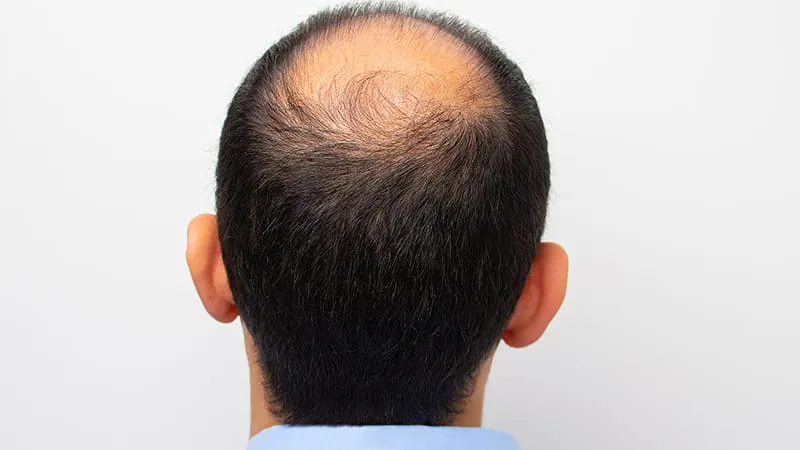
Androgenetic alopecia (AGA) — the most common cause of hair loss in adults — is also surprisingly prevalent in teenagers, yet clinicians routinely overlook it. Studies show AGA accounts for up to 42% of teen hair loss cases, with rates climbing from 9.3% at age 15 to 16.8% by age 17. Experts say early diagnosis is critical, but no FDA-approved treatments exist for adolescents.
Androgenetic alopecia (AGA), the classic pattern of hair thinning most associated with middle-aged adults, is actually the leading cause of hair loss in teenagers — yet it's frequently missed by clinicians. Experts at the Annual Atlantic Dermatological Conference highlighted that AGA accounted for 42% of alopecia cases in teens aged 12–19, with prevalence rising sharply with age. Boys are about three times more likely than girls to seek treatment, though both sexes are affected.
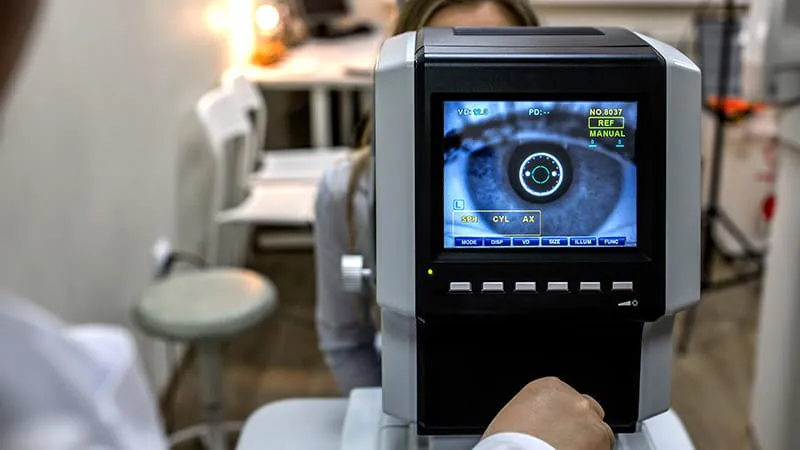
The condition is more than cosmetic. Obesity, insulin resistance, thyroid disorders, and nutritional deficiencies (particularly vitamin D and iron) are commonly found alongside teen AGA, making a thorough workup essential. Trichoscopy findings — like increased vellus hair and hair diameter variability — can help confirm the diagnosis, and family history is a key risk factor.
Key Takeaways:
Why it matters: Hair loss during adolescence carries a significant psychological burden, yet the field lacks both awareness and approved treatments. Experts say greater clinical attention — and more research — is urgently needed.